Since becoming an independent venue in 2015, Tyne Theatre & Opera House has undergone a remarkable period of renewal.

Guided by the Tyne Theatre & Opera House Preservation Trust and supported by audiences, partners, funders and the wider community, the theatre has strengthened its operations, invested in its historic fabric, and delivered significant restoration projects.

Since June 2022, the Tyne Theatre & Opera House has secured £989,500 by The National Lottery Heritage Fund. Made possible by money raised by National Lottery players, the project focused on developing several key elements within our Grade I listed building.

The milestones below chart the journey from independence to the present day, highlighting the achievements that have laid the foundations for the next phase of our ambitious restoration masterplan.

2022 – Rediscovering our Heritage

In June 2022, we received our first round of funding from The National Lottery Heritage Fund. This initial £242,000 of funding allowed us to focus on developing several key elements within our Grade I listed building: Stage Machinery Restoration, Performance Database Development, and Rediscovering the Grand Saloon Investigations.
Stage Machinery Restoration

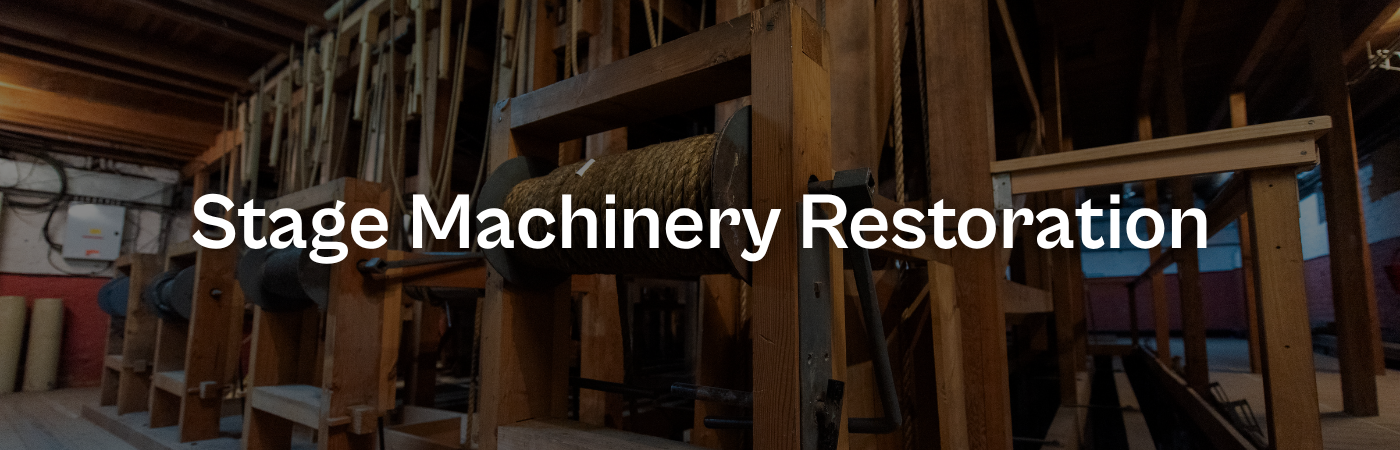
When the theatre was converted into the Stoll Cinema in 1919, much of its original Victorian stage machinery was hidden from view. After the cinema closed in 1974, the successful ‘Save the Stoll’ campaign led to the building’s restoration and reopening as a theatre, during which the original 1867 wooden stage machinery was rediscovered behind decades of alterations.

Severely damaged by the 1985 fire and the collapse of part of the flytower, the machinery was extensively restored and much of it returned to operation when the theatre reopened in 1986. Nearly 40 years later, support from The National Lottery Heritage Fund has helped secure the next chapter in preserving this internationally significant piece of theatrical heritage.

Discovery the stage machinery's restoration journey

Performance Database Development

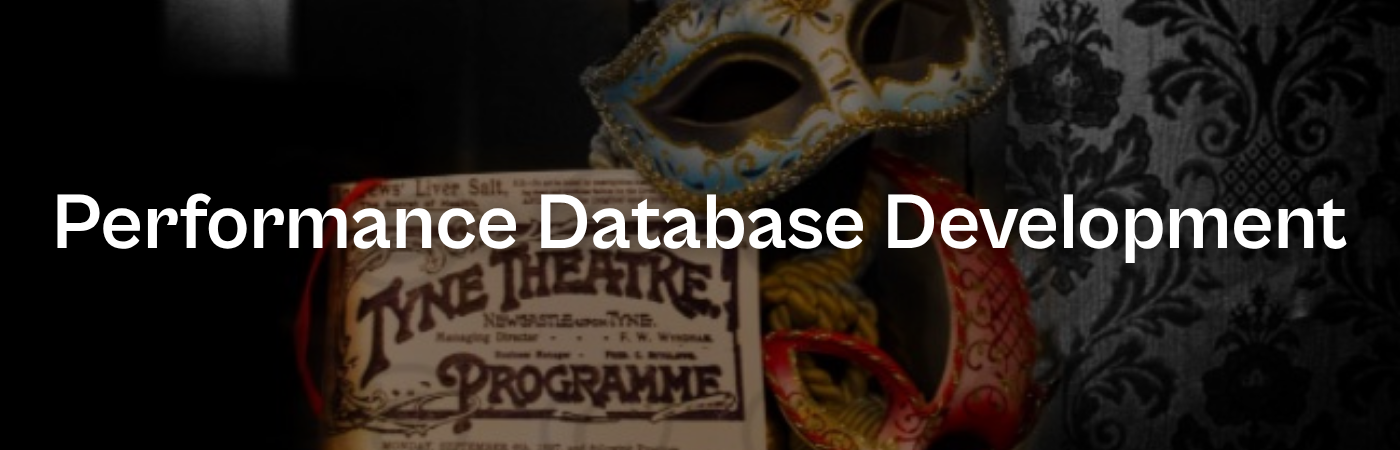
Members of the Theatre, local historians, North East universities and a corps of volunteers collaborated to develop a performance calendar database of all performances which took place between the theatre’s opening on 23 September 1867, and 1 March 1919 when it was converted into The Stoll.

The database documents the heyday of touring theatre and opera companies, the theatre’s own productions and some curious phenomena, including the Theatre’s occasional summertime transformations into a roller-skating rink or a cinema.

Access the performance database

Rediscovering the Grand Saloon

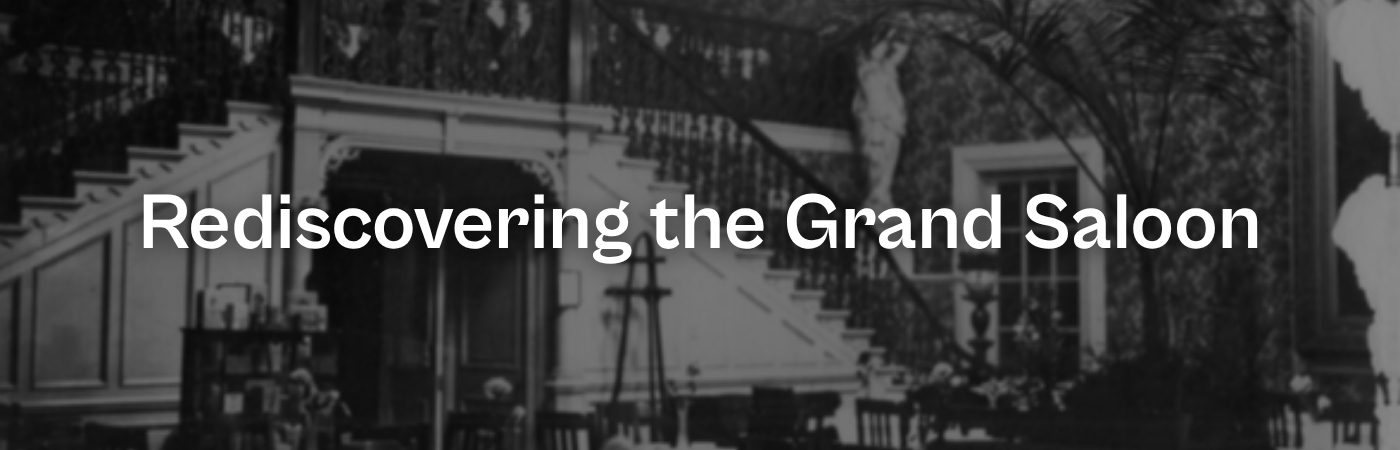
This round of funding also allowed investigations to be carried out into options for restoring the original ‘Grand Saloon’, which has also been known as Westgate Music Hall, Winter Gardens Tea Room and the Bistro Bar. This section of the venue was added in 1892 by the owner Joseph Cowen for the lessee Sir Augustus Harris.

Working closely with specialist project developers and our Board, a number of options were developed and considered. Ultimately, it was decided that returning the Grand Saloon to a double height space, removing the ceiling that was added in the 1960s to create a ‘black box’ performance space.

Access the performance database

2024 – Restoring Historic Spaces

In 2024, Tyne Theatre & Opera House secured £500,000 through Creative Central NCL to begin the first phase of works to the historic Grand Saloon.

Building on investigations undertaken through the first National Lottery Heritage Fund project, this funding enabled essential enabling works within a space that has served many purposes throughout the theatre’s history.

The project marked an important step in the theatre’s long-term restoration masterplan, helping to address critical building issues while preparing the space for future performance, participation and community use.
Restoring the Grand Saloon

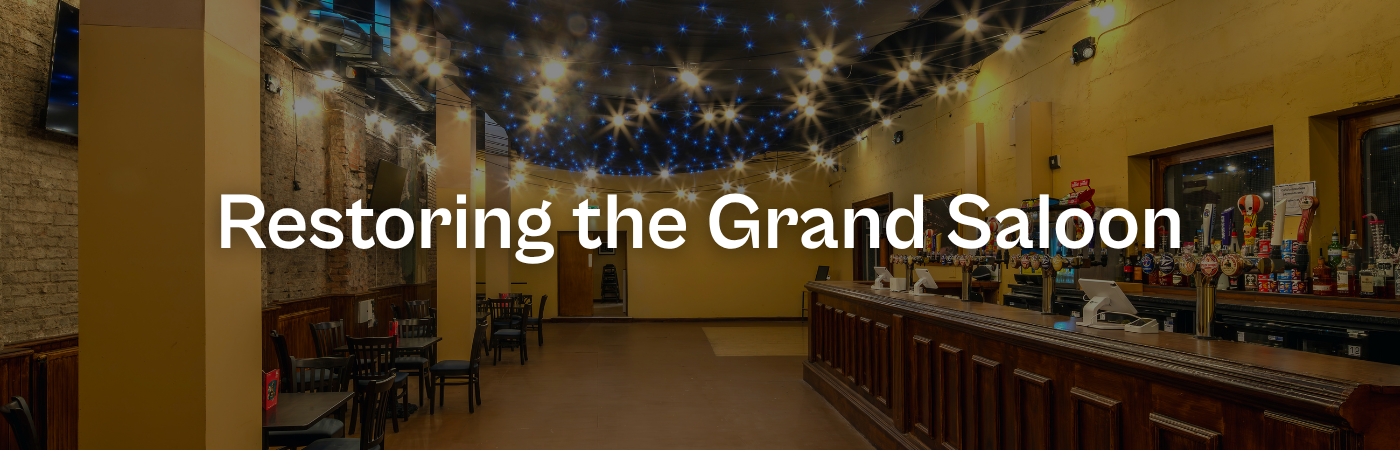
Originally known as the Westgate Music Hall and later the Grand Saloon, this space formed an important part of the theatre complex, providing a social and entertainment venue alongside the main auditorium. Over time, a series of alterations changed its appearance and function, most notably the insertion of a ceiling during the 1960s to create a smaller performance space.
 
The 2024 project enabled the removal of this later intervention, revealing the original double-height proportions of the room for the first time in decades. This work not only improved understanding of the space’s historic character but also laid the foundations for its future restoration and reuse as part of the theatre’s wider masterplan.
 
The resulting space was renamed The 1867 Hall and has since been used as a bar space for events and community space for creative workshops, talks and as a private hire space for local businesses.

Creating the 1867 Café Bar

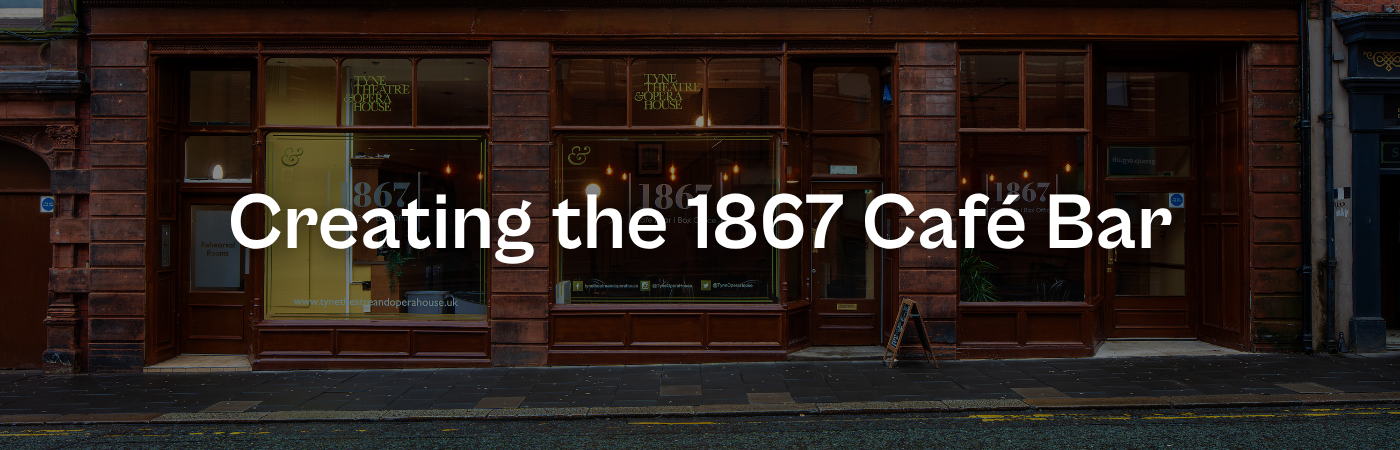
As part of the wider Grand Saloon project, the theatre created the 1867 Café Bar within former foyer and retail spaces at the front of the building.

Named after the year the theatre opened (much like the new Hall), the new venue provides a welcoming social space for audiences, visitors and the local community, while also improving access to the theatre throughout the day.

The project formed an important part of the theatre’s wider ambitions to increase public use of the building, strengthen community connections and create a more sustainable future for the venue.

Access the performance database

2025 – Enhancing the Experience

In 2025, Tyne Theatre & Opera House secured a further £247,500 from The National Lottery Heritage Fund, with match funding provided by the Tyne Theatre & Opera House Preservation Trust, to restore the historic Gallery tier.

The project focused on improving audience comfort, accessibility and sightlines while carefully preserving the character of this important part of the Grade I listed theatre. The work formed part of a wider programme to ensure the theatre remains fit for modern audiences while respecting its Victorian heritage.

Alongside physical improvements, the project also provided new opportunities for volunteers and helped expand the theatre’s growing programme of heritage research and interpretation.
Restoring Historic Sightlines

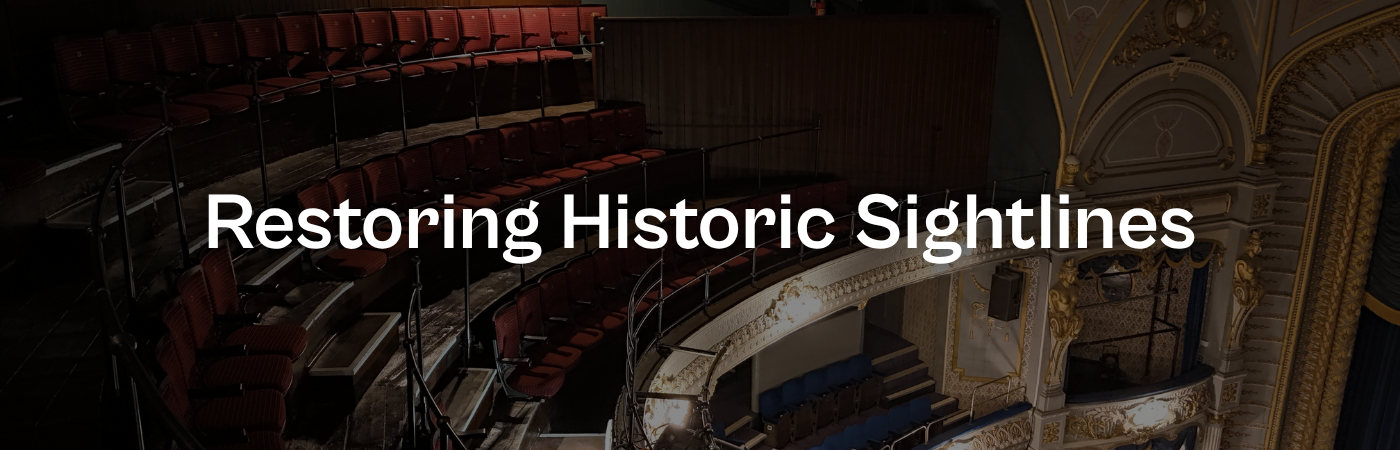
The Gallery’s seating layout had been altered following the 1985 fire, with a timber overlay installed above the original seating rows.

This phase of our wider restoration project removed this later intervention, allowing the Gallery to return closer to its historic configuration.

Ultimately, we were able to improve sightlines, reduce the need for intrusive handrails and increase the overall capacity of the tier. The completion of these works in early 2026 brought the total capacity to the auditorium to 1175.

Installing Heritage Seating

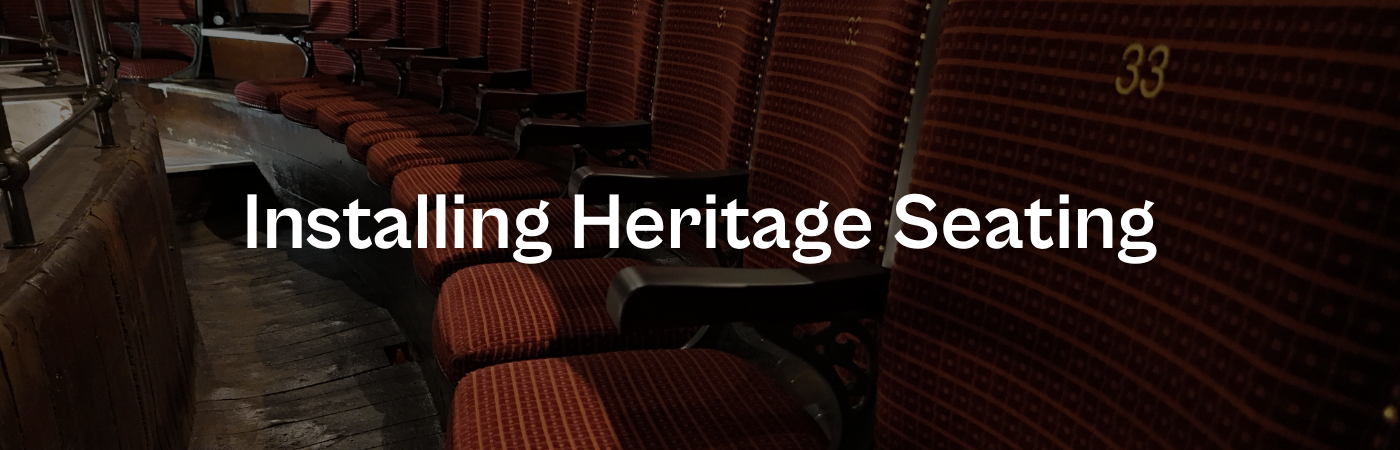
Restoring the Gallery to its former glory required a careful balance between preserving its historic character and meeting the expectations of modern audiences.

As the existing tip-up seats increasingly required refurbishment and repair, they were replaced with new heritage-style seating, designed to enhance comfort while remaining sympathetic to the theatre’s Victorian architecture.

Telling Your Stories

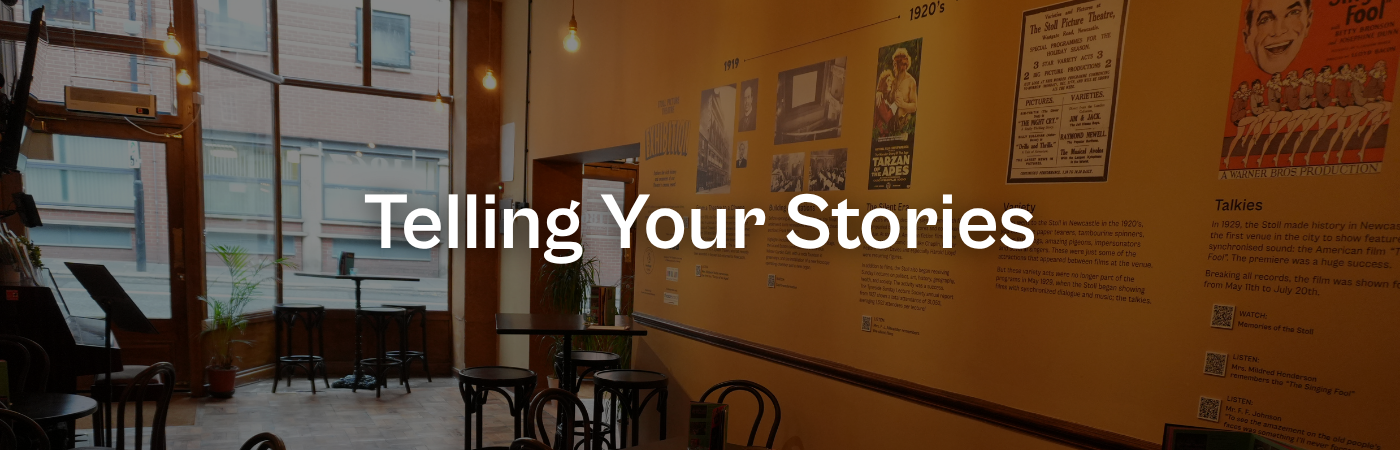
Alongside the physical restoration and improvement works in the Gallery, the project helped preserve the memories and experiences of those who have visited the theatre over the years. Building on the theatre’s growing programme of heritage research, volunteers and staff explored the venue’s rich history, uncovering new stories from its time as both a theatre and a cinema.

This work contributed to the creation of The Stoll Cinema Years exhibition, helping to share an often-overlooked chapter of the building’s history with new audiences. Now a permanent installation within the 1867 Café Bar, the exhibition is free to explore during opening hours and offers visitors a fascinating insight into the theatre’s years as the Stoll Picture House.

Now a permanent installation within the 1867 Café Bar, the exhibition is free to explore during opening hours (10am-3pm, Monday-Friday).


Privacy Overview

This website uses cookies so that we can provide you with the best user experience possible. Cookie information is stored in your browser and performs functions such as recognising you when you return to our website and helping our team to understand which sections of the website you find most interesting and useful.