Explore the rich history and memories of our Theatre’s cinema years!
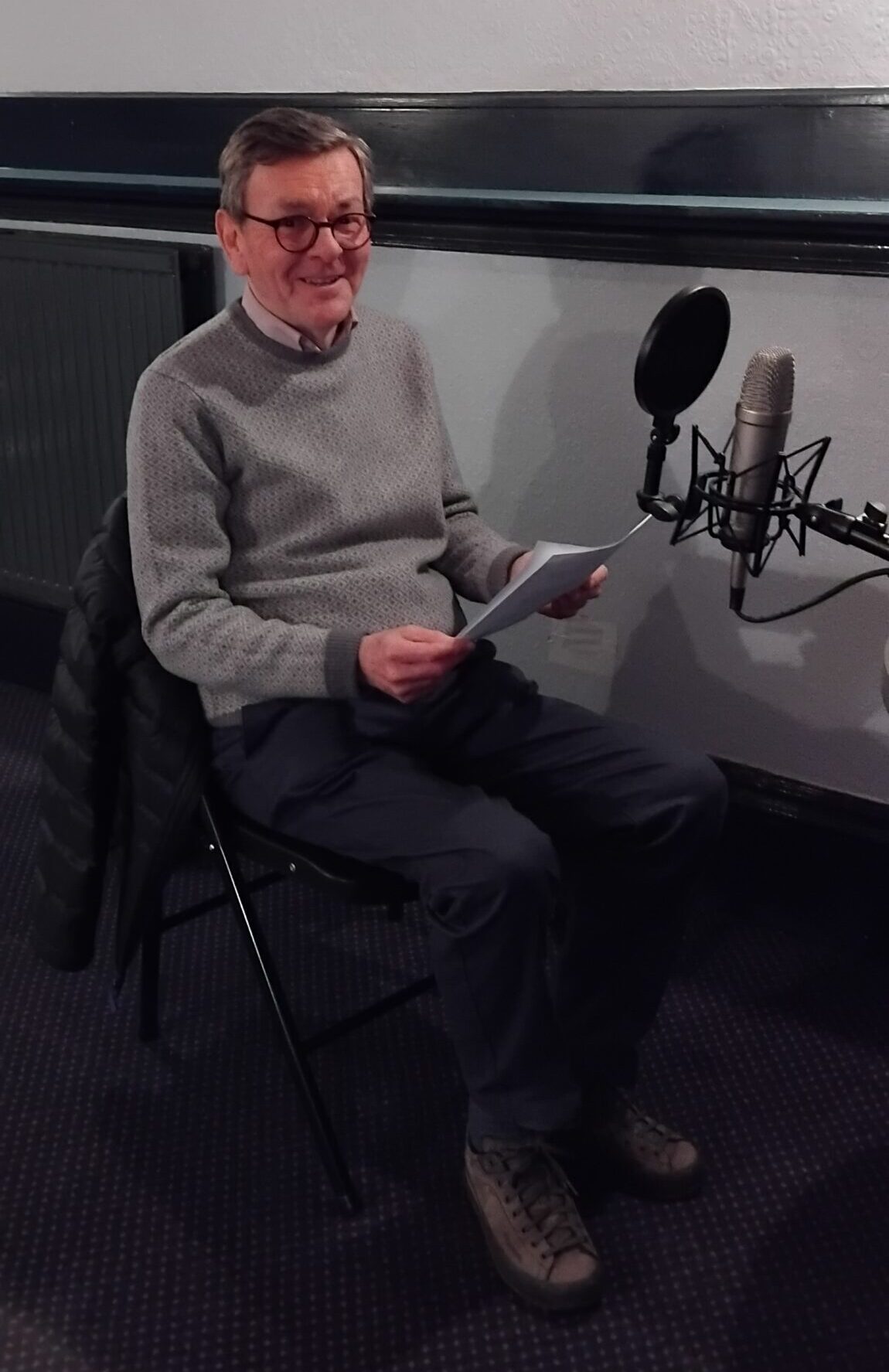
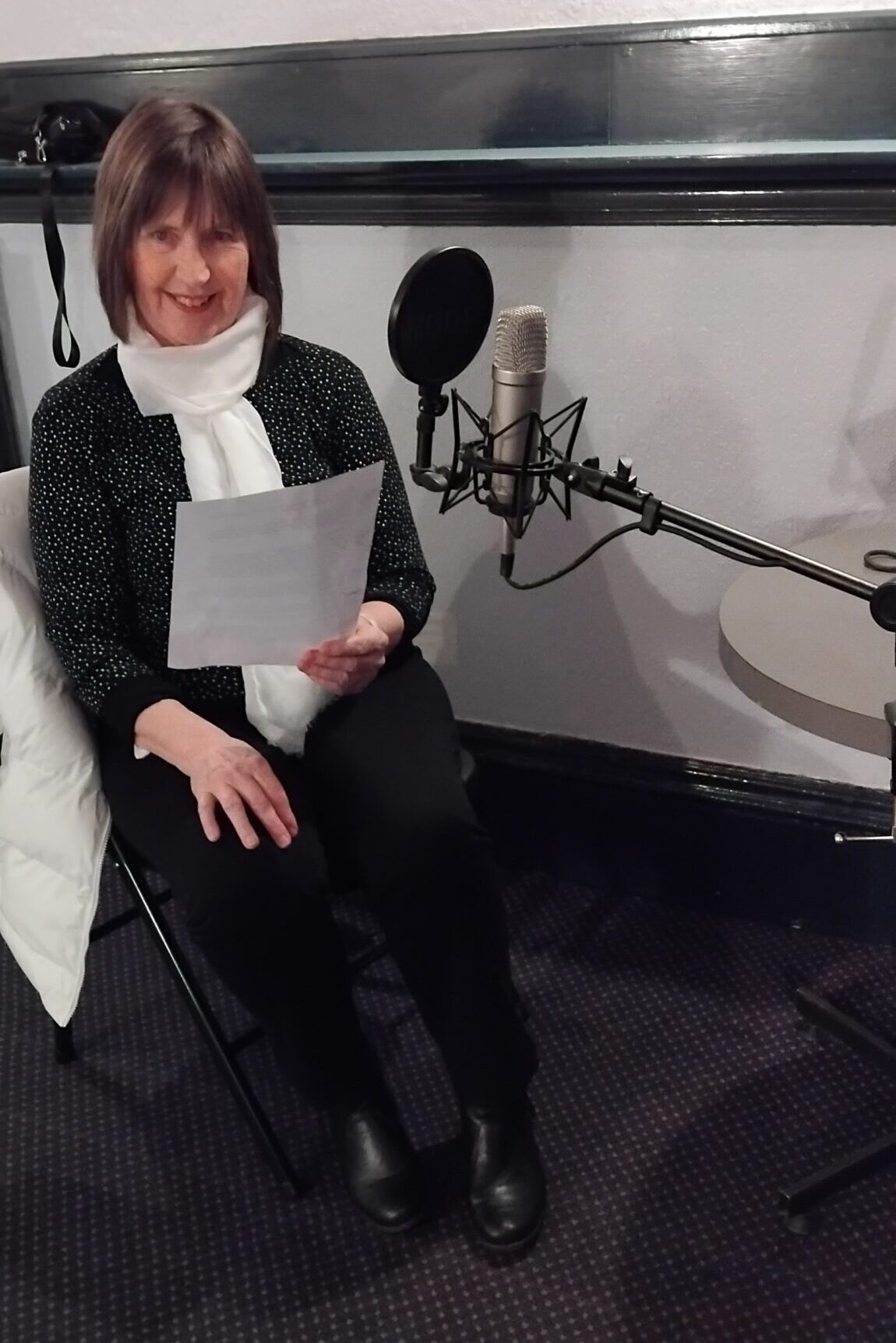
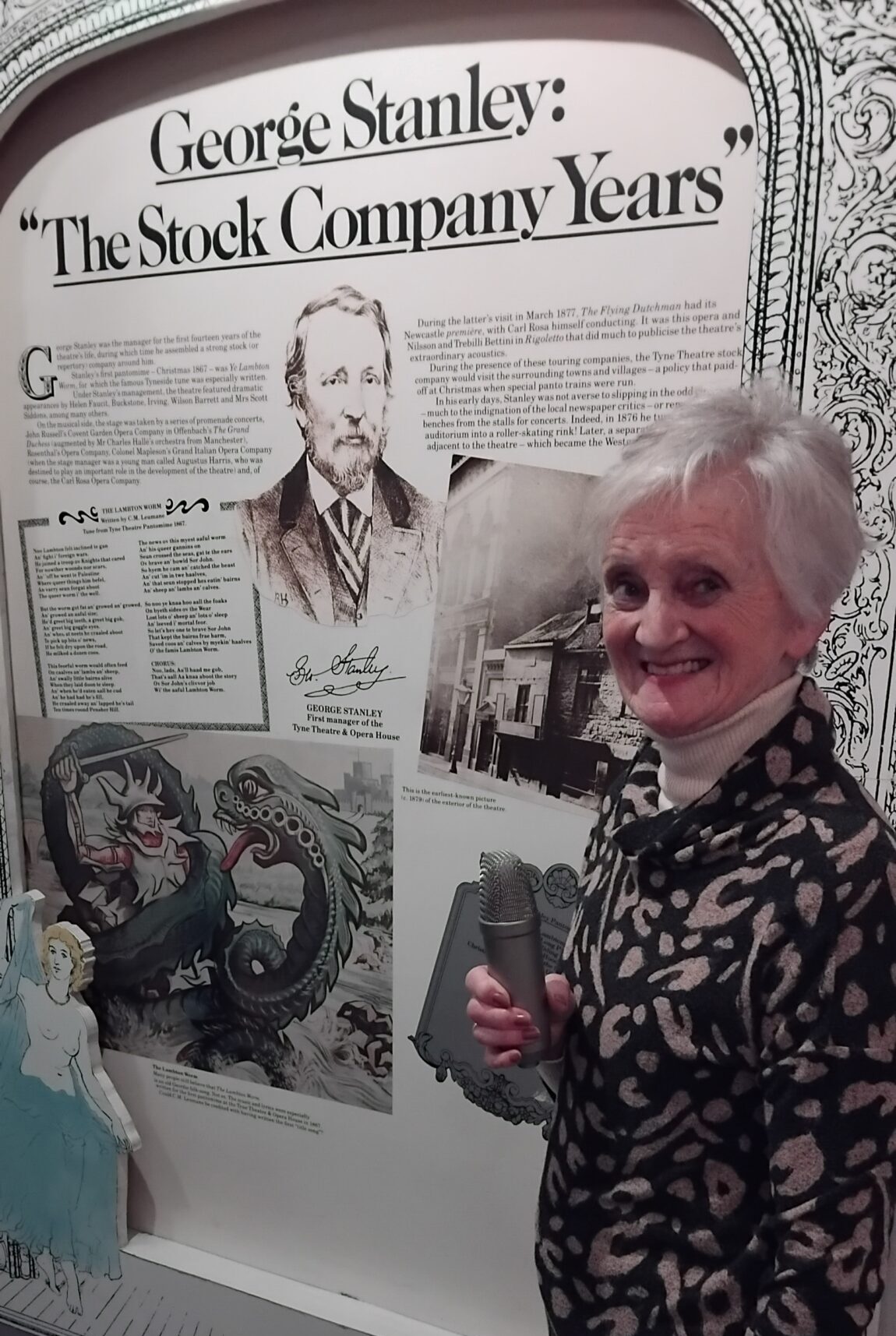
As a part of our recent project funded by the National Heritage Lottery Fund, we launched a public campaign titled “Past Lives, Present Voices” to gather the memories of people who remember the old Stoll Picture Theatre, in an effort to record and preserve the voices of these generations.
A similar call-out was done in 1974 by the Journal, when the Stoll Picture Theatre closed down. We have recorded many of these memories with our volunteers to add to the exhibition. In addition, the BBC have granted us the use of their 1981 documentary “Fly the Woodland, Raise the Cave” (BBC1 North East Tyne Theatre Documentary 1981).
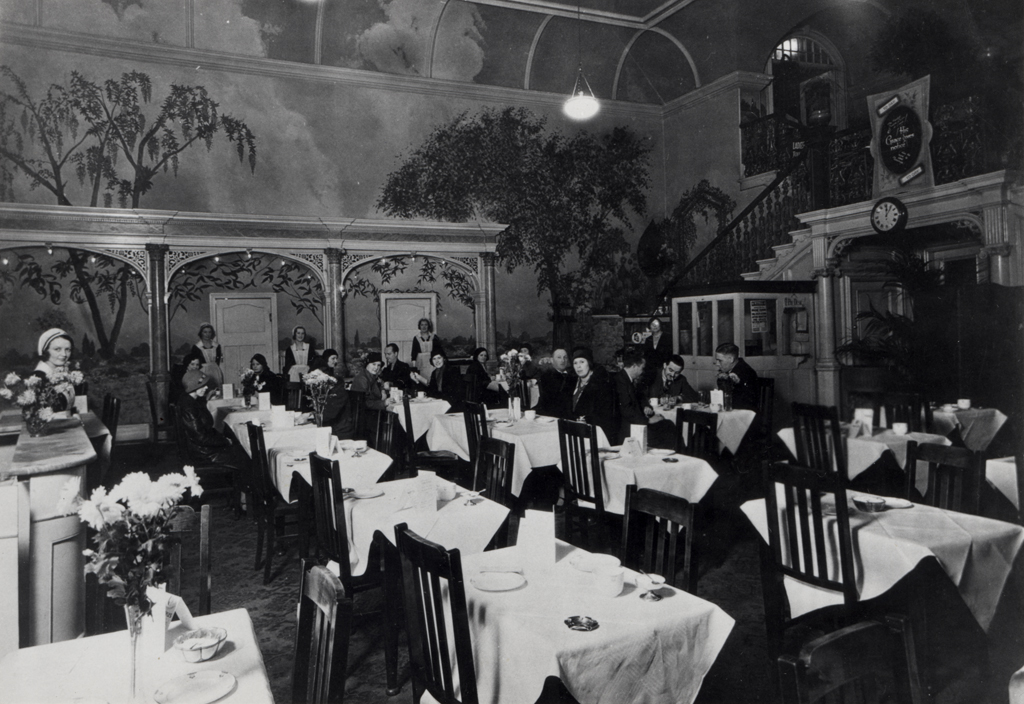
These memories and research by Cicero De Almeida Oliveira form our new Stoll Picture Theatre exhibition in the theatre’s 1867 Café Bar.
Thanks
Exhibition funded by The National Lottery Heritage Fund
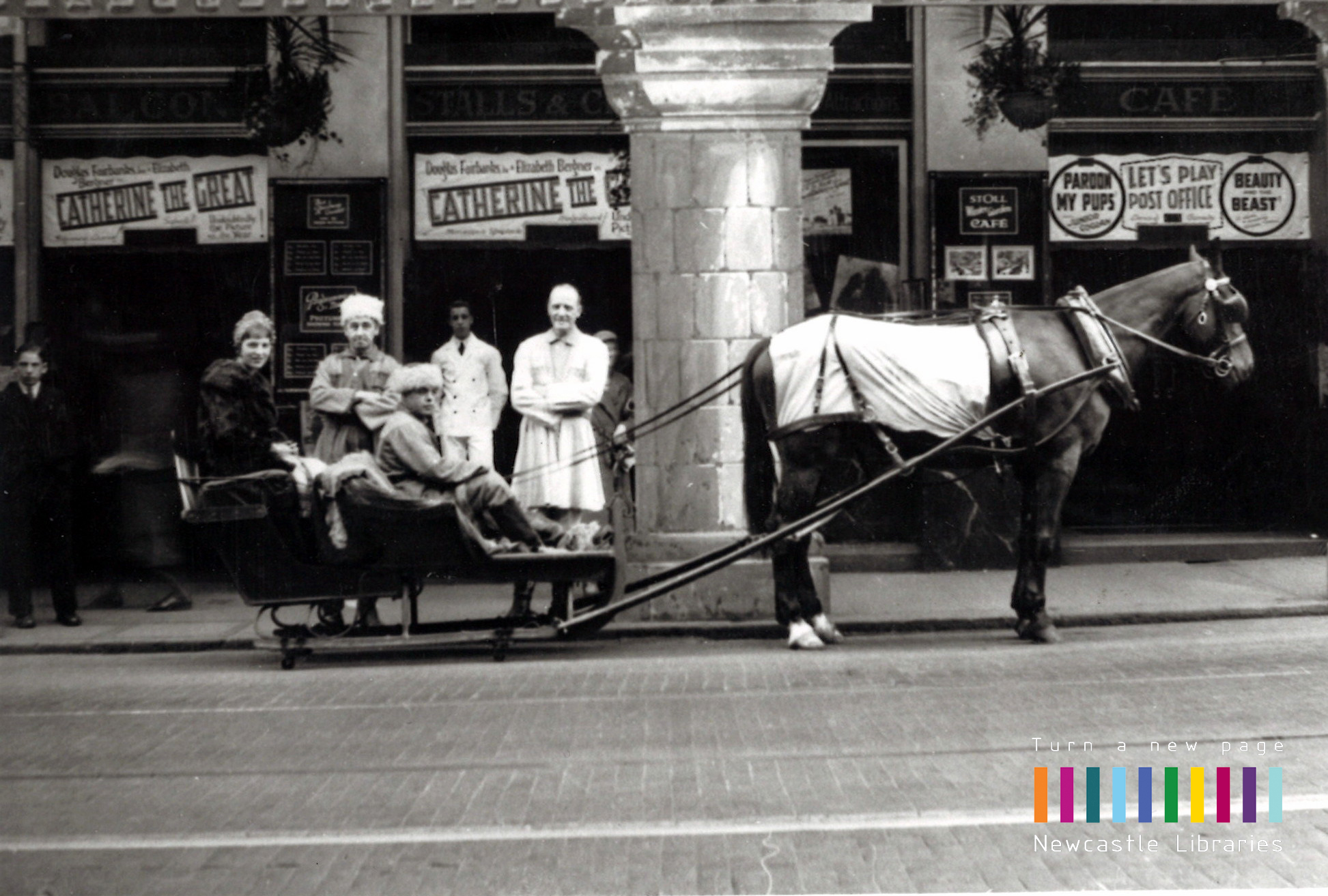
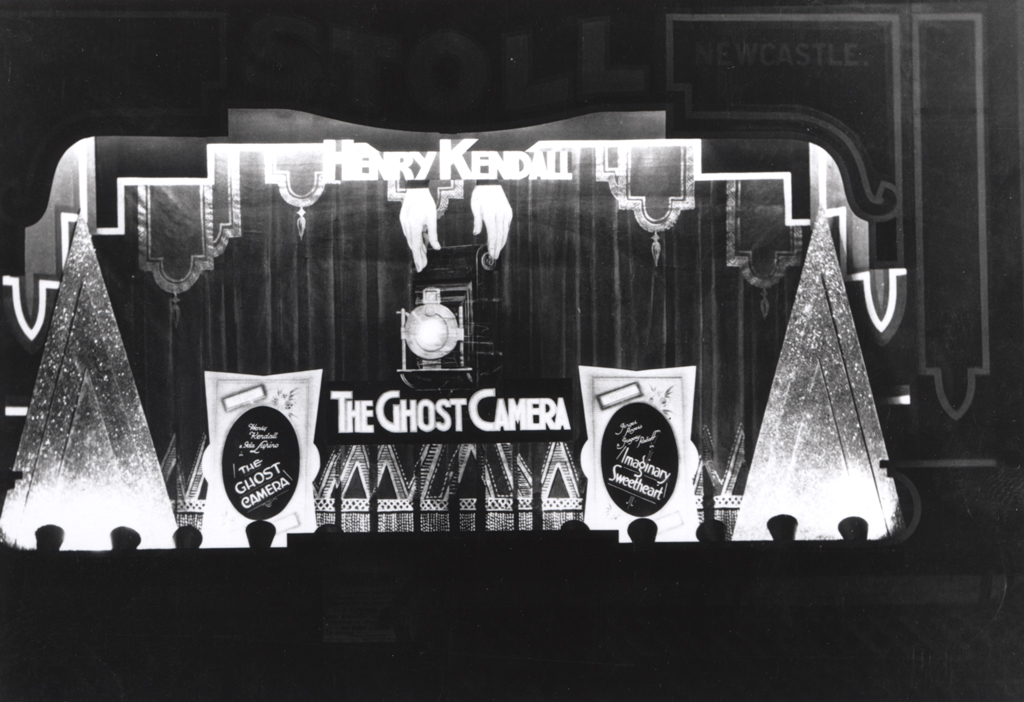
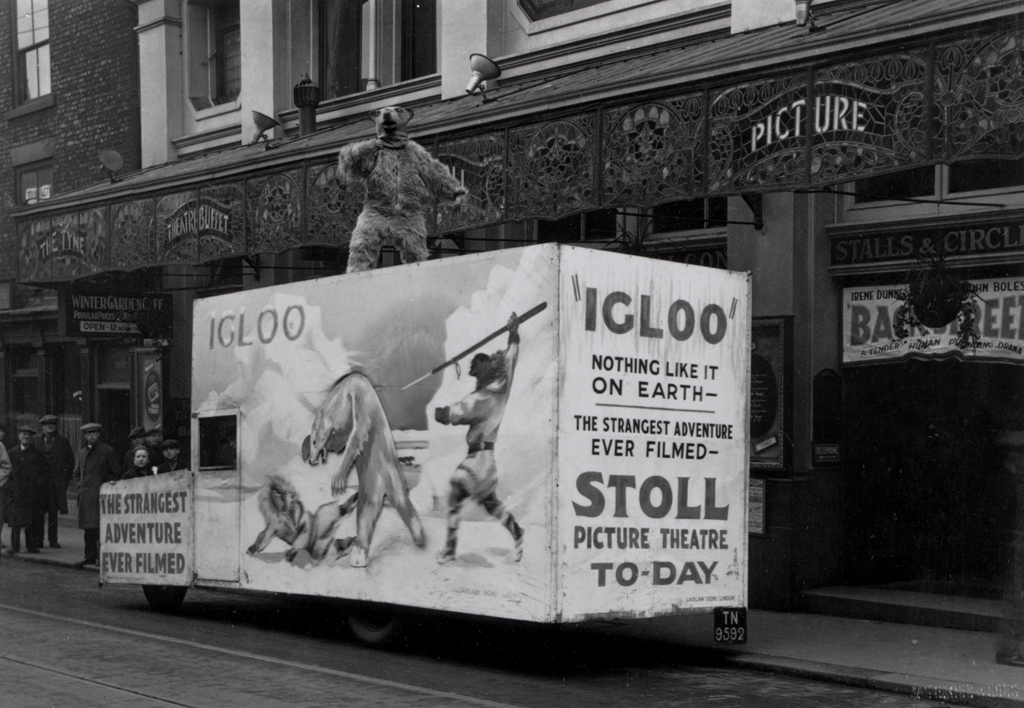
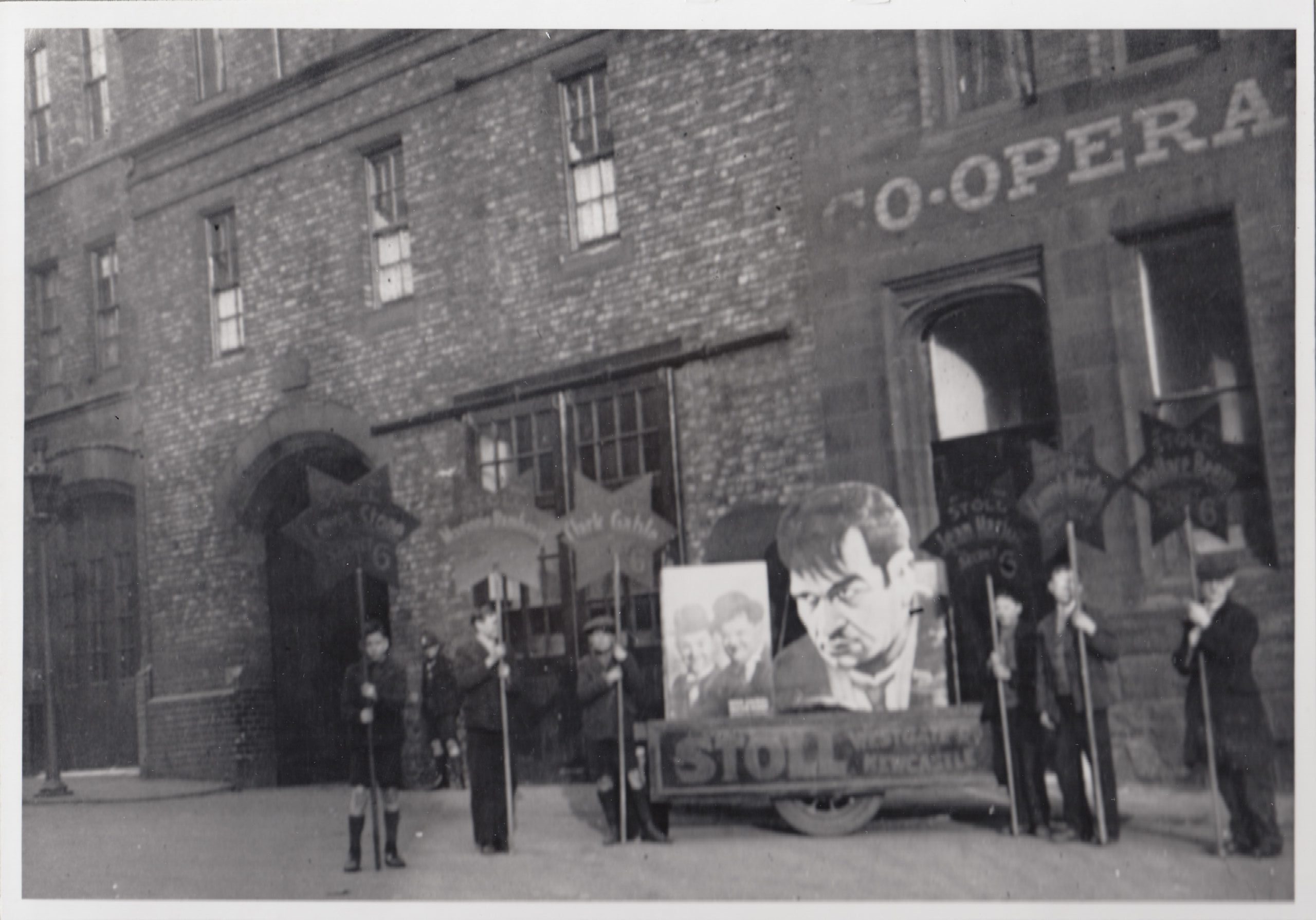
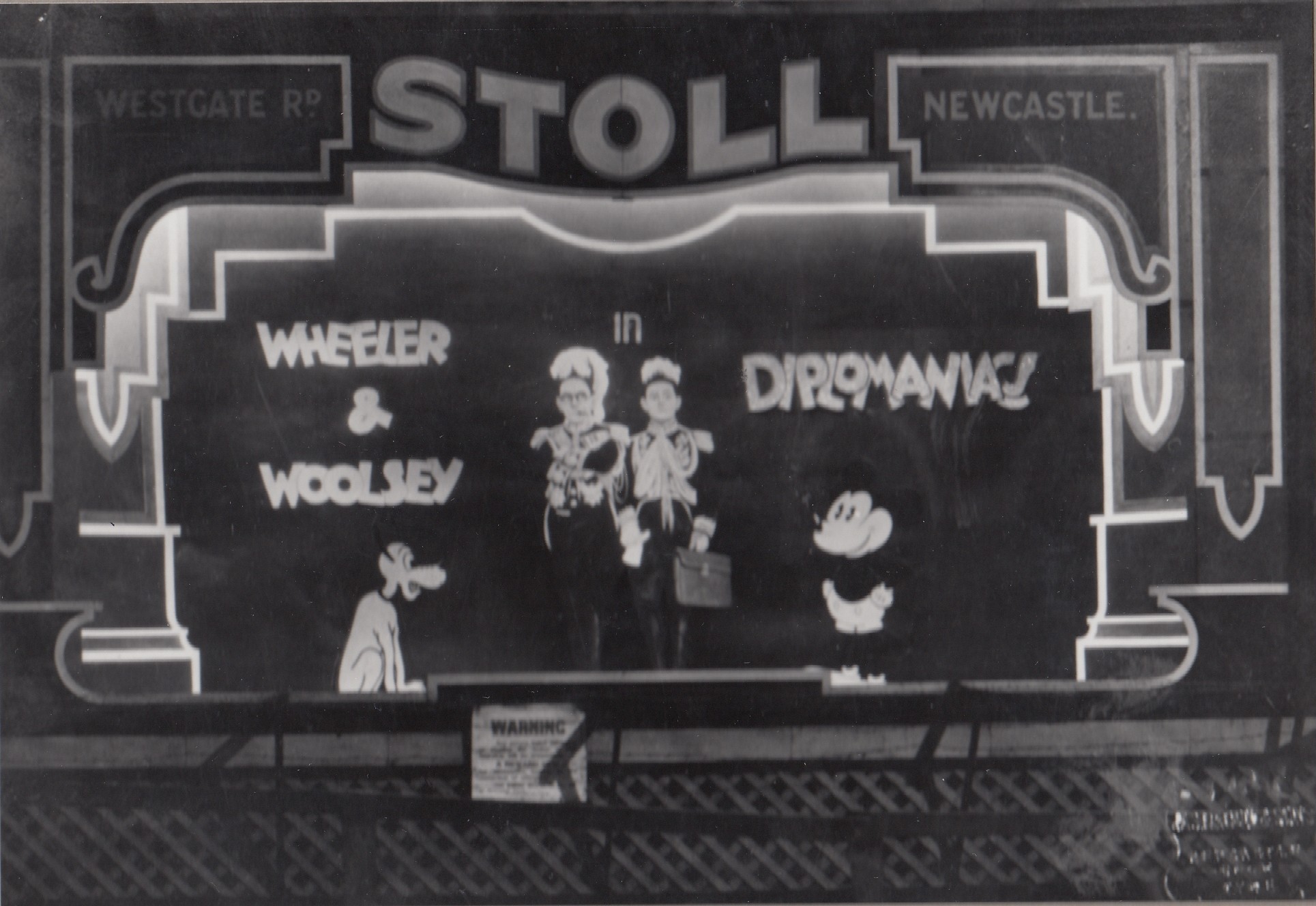
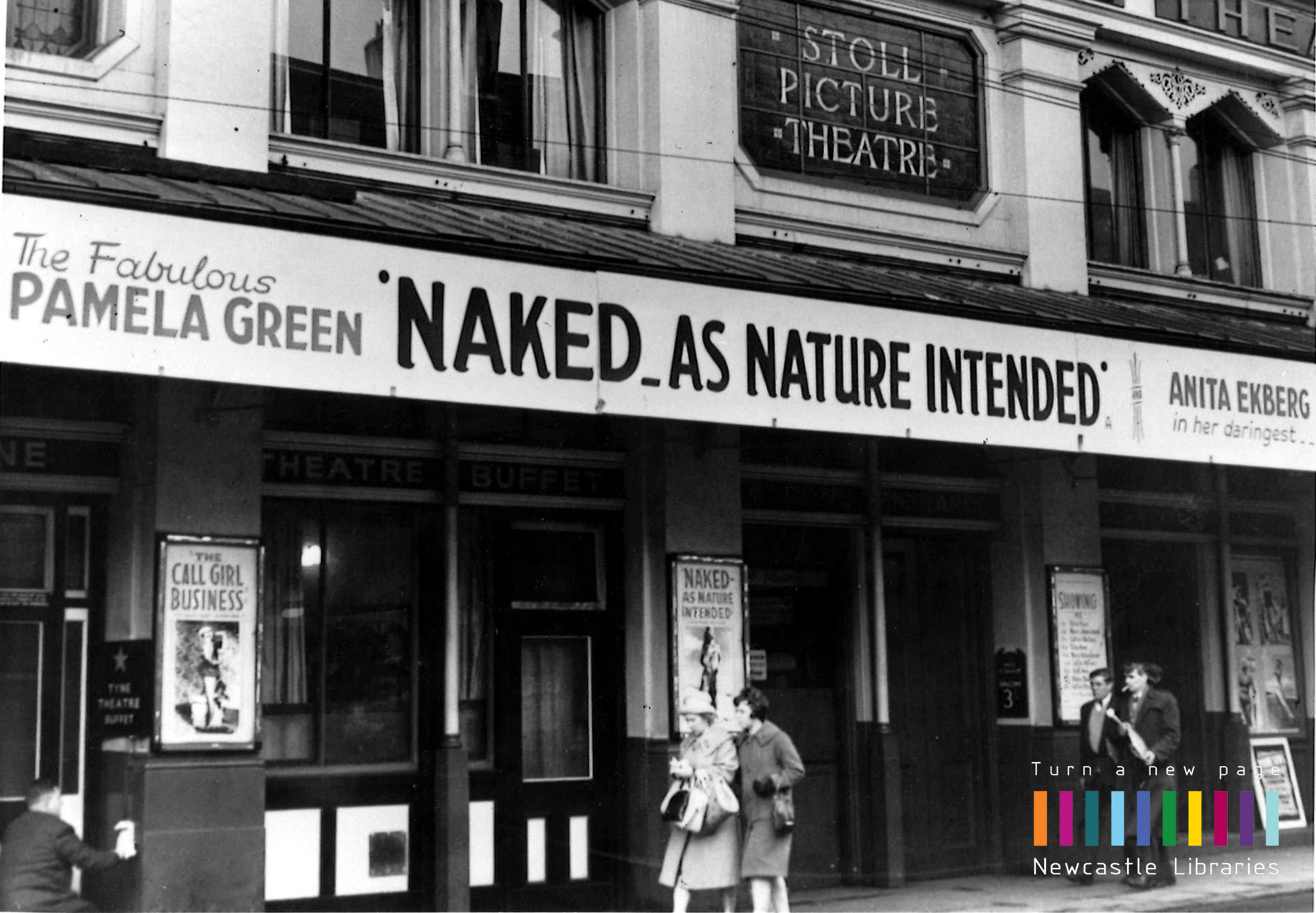
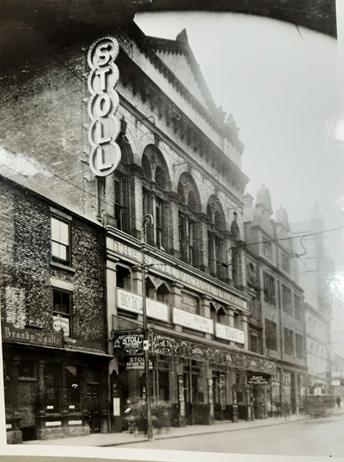
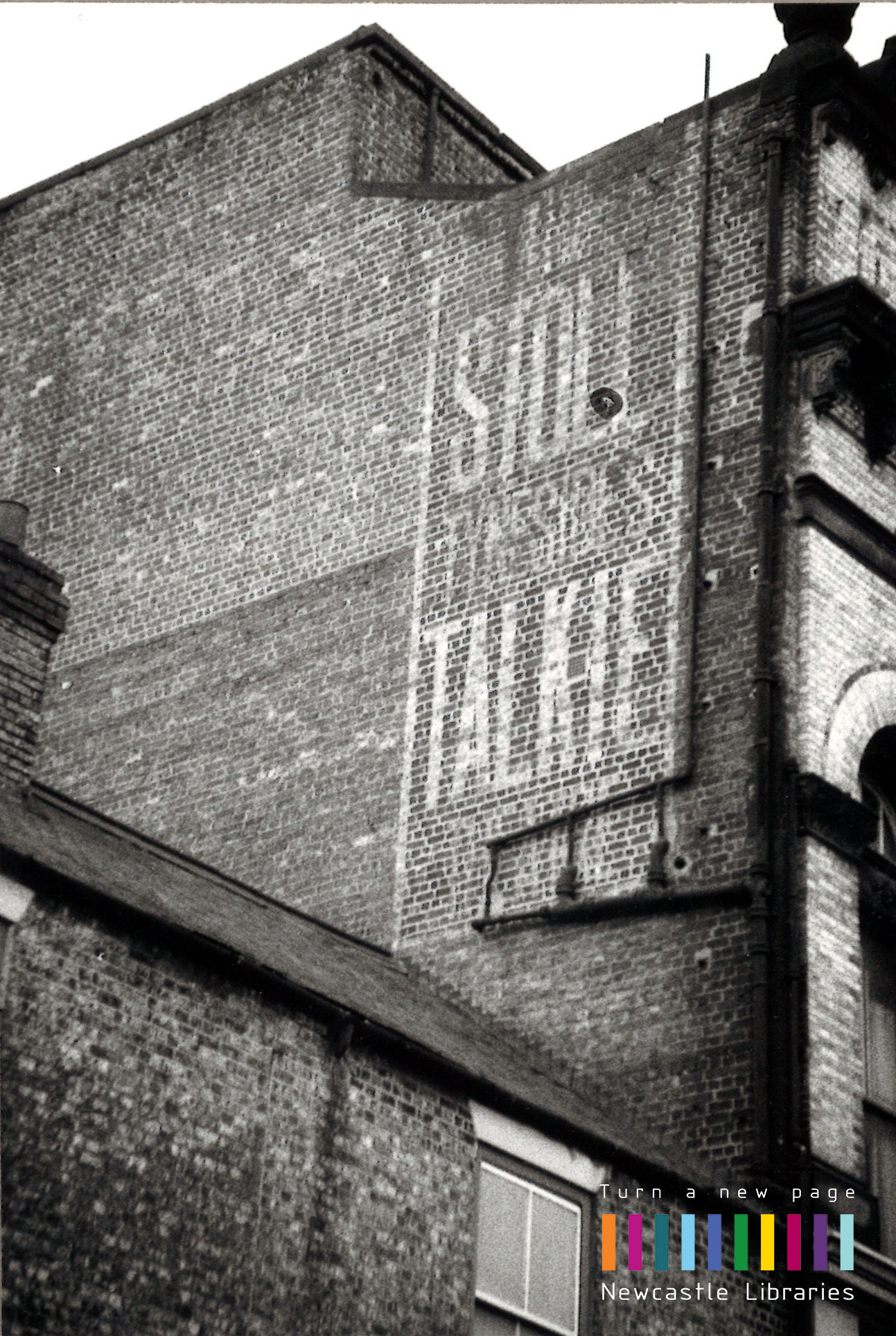
Images of the Theatre courtesy of Newcastle Library
Video clips courtesy of the BBC: “Fly the Woodland, Raise the Cave” (1981)
Research: Cicero De Almeida Oliveira
In collaboration with Theatresearch Ltd.
Voice actors: Finn Younger, Lucy Swanston, Charmian Marshall, Ian Hutchinson, Devon Dolman, Sandra O’Connor
Memories kindly shared by Mike Green and Carol Rocke
Exhibition design: Joe Gill
Visit the exhibition
You can visit the 1867 Café Bar 10am to 3pm Monday to Friday, and the café stays open all day on event days, or two hours before show start time on weekends.
Follow the links to access the voices of the past and present, and celebrate the Stoll Picture Theatre years with us!
Research by Cicero De Almeida Oliveira as part of a 6 month placement funded by the Northern Bridge Consortium. Cicero is currently a PhD student in Modern Languages at Newcastle University, researching the connection between theatre and cinema in French cinema based on the work of Louis Jouvet.
In March 1919, the Tyne Theatre closed its doors.
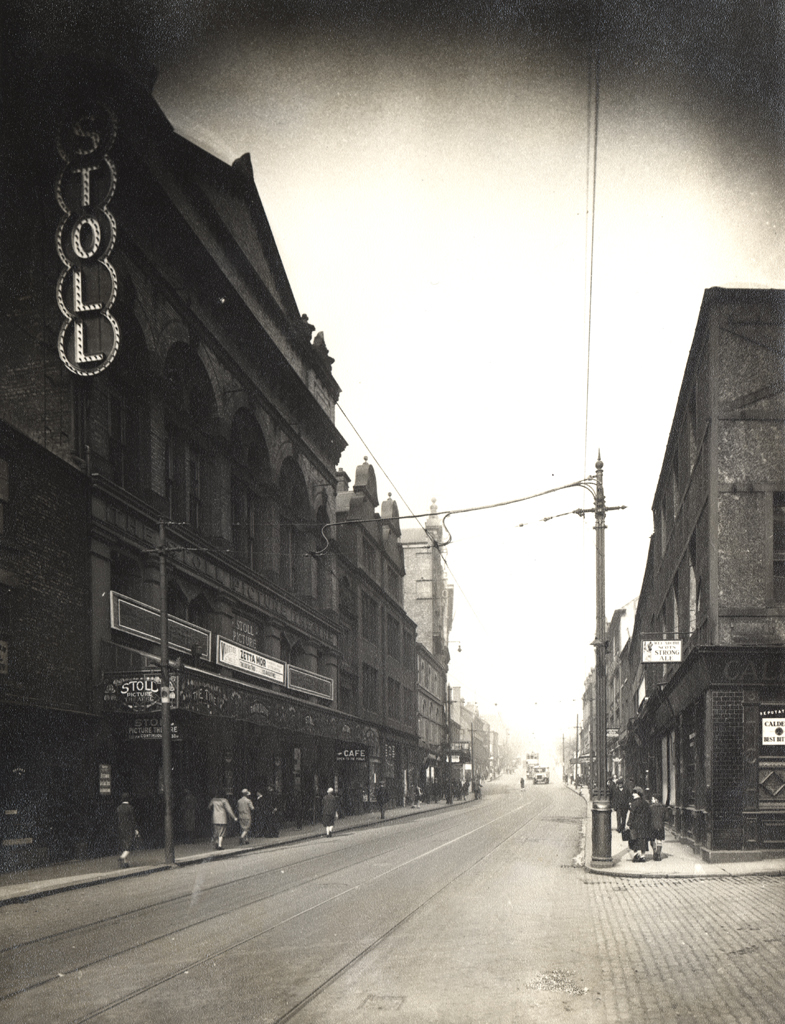
Months later, in June, it reopened as the Stoll Picture House, a venue that screened films in Newcastle until 1974.
The Tyne Theatre was not the only space adapted to a cinema in Newcastle. Between 1919 and 1930, four Newcastle theatres were converted to cinemas. Cheap movie tickets were making movie venues very popular.
Opened in 1867, the Tyne Theatre had been showing films occasionally since 1913 but continued to function as a theatre that received provincial tours of stage successes, opera companies and pantomimes. However, the Royal Theatre in Newcastle also had a similar purpose. In this context, “it became evident shortly after the end of the Great War that there was not then a playgoing public in Newcastle sufficient to support two first theatres exclusively devoted to drama” (Harold Oswald in The Theatres Royal in Newcastle Upon Tyne).
The Entrepreneur Behind the New Cinema
In 1919 the space was integrated into the circuit of Oswald Stoll, a prominent theatre owner. Born in Melbourne in 1866, Stoll grew up in Liverpool, where he began managing, along with his mother, the Pantheon Music Hall. Stoll’s career expanded and he acquired theatres throughout England. In his spaces, Stoll sought to develop what he believed to be a high standard variety theatre distinct from the original music halls, famously avoiding strong language. Moreover, Stoll converted theatres into cinemas and created the Stoll Pictures, which became an important film production and distribution company in the 1920s.
The First Manager
In Newcastle, Oswald Stoll asked the last manager of the Tyne Theatre, Fred C. Sutcliffe, to continue in his post, but he refused. The new manager chosen was Mr. W. H. Lyndon Travers, son of another important Newcastle theatre and film figure. Lyndon Travers began working in cinema illustrating his father’s Sunday recitals and later became a movie showman, travelling through the north of England to screen short films in his Traverscope Electric Pictures. Wounded during the war, he returned to Newcastle to become Stoll’s manager. According to the Sunday Sun of December 21, 1919, “Few cinemas possess a manager with more experience than Mr. W. H. Lyndon Travers”.
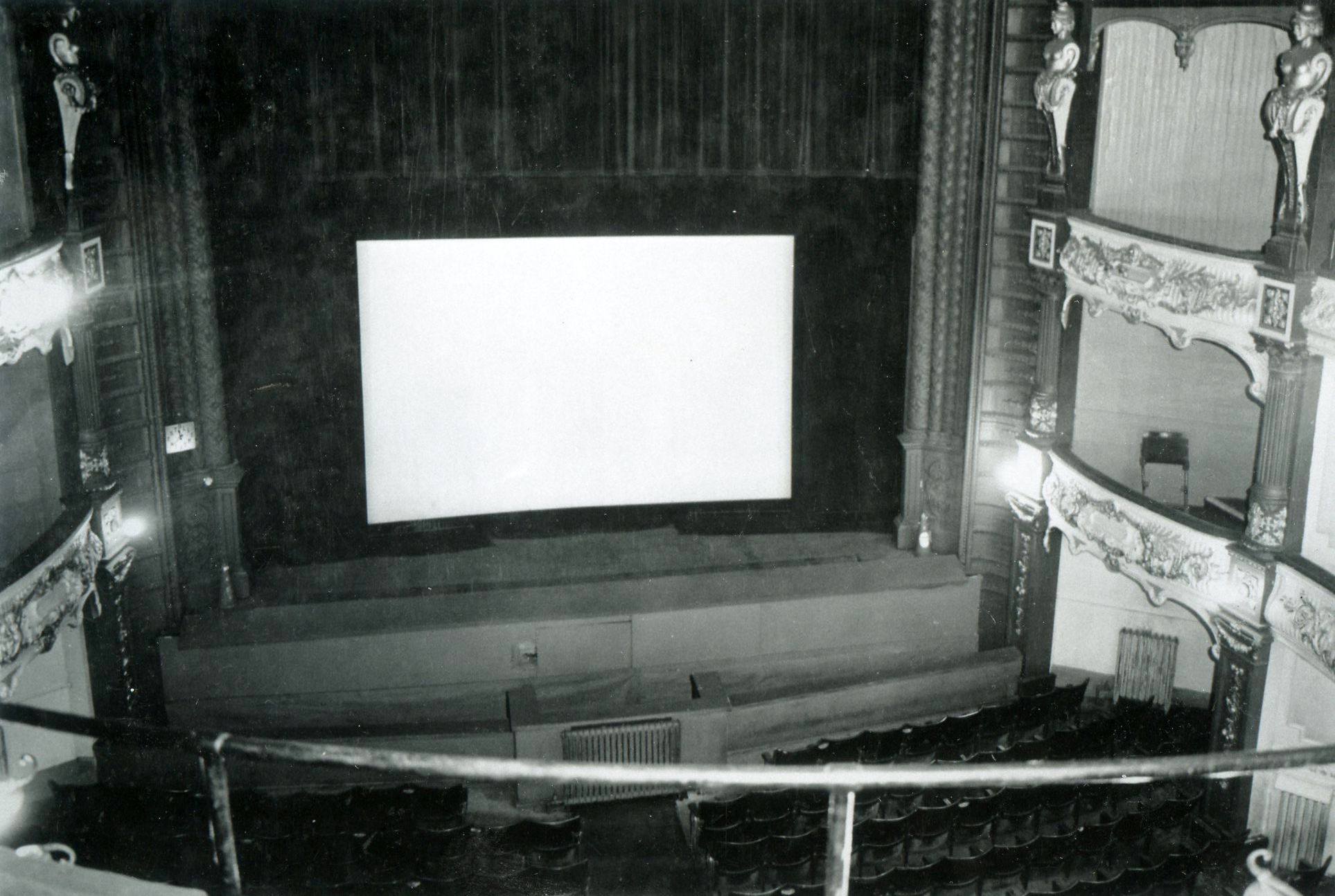
Before opening as the Stoll Picture House, the Tyne Theatre underwent some renovations supervised by the important theatre architect Frank Matcham between March and June 1919.
The main changes reported in newspapers of the time were:
At the end of May, a journalist who visited the building before its opening stated: “one could not be but most favourably impressed by the transformation that has been effected in a few short weeks. One imagined on set in a brand new theatre”.
Another journalist was surprised by how in the dress-circle entrance were two young women in highwaymen’s dress, a style of costume adopted at all Sir Oswald Stoll’s cinemas. The rest of the female attendants wore dresses of wine gabardine.
The opening of the Stoll Picture House on June 2, 1919, began with a peculiar tradition: Sir Oswald Stoll’s mother, Adelaide Stoll, sold the first ticket to the Lord Mayor, something that she used to do in the inaugurations of her son’s venues.
The opening film was Tarzan and Apes, a work that “produces with vividness and fidelity thrilling jungle scenes, in which wild animals play a leading part” (Newcastle Daily Journal and Courant, 1919)
But the experience of going to the cinema at the beginning of Stoll was quite different. Below are some elements common at the time that no longer exist today:
In its opening week, the Stoll offered a 3-hour program that included a 1 hour and 13 minute feature film (which ran for 5 days), the short film Camping Out, directed by and starring the popular comedian Fatty Arbuckle, topical films about the launch of Elswick of the San Fernando, a symphony orchestra led by Harry Davidson, and a performance by the vocalist Miss Doris Ashton.
These long programs reflected the changes in cinemagoing in the 1910s. Unlike the screenings of several 5 to 10-minute films in small venues before the First World War, from 1914 onwards the 3-hour program in large cinemas became common in the UK. This was a way to encourage spectators to stay more in the cinemas and later return to these spaces, as with new films every 3 days the public could visit the same cinema more times in the same week. The public paid to be part of a movie theatre audience and have access to a diverse program.
Another important difference is the delay in the premiere of films. Tarzan of the Apes, for example, is a 1918 film that appeared in 1919 in Newcastle, something common at the Stoll, especially for American films. Distribution and exhibition costs were related to this delay. In addition to films generally premiering first in London and then in the provinces, renting a film for a first run was more expensive than renting a film that had premiered several months earlier. Furthermore, the rental price also varied according to the cinema’s ranking and the duration of the run.
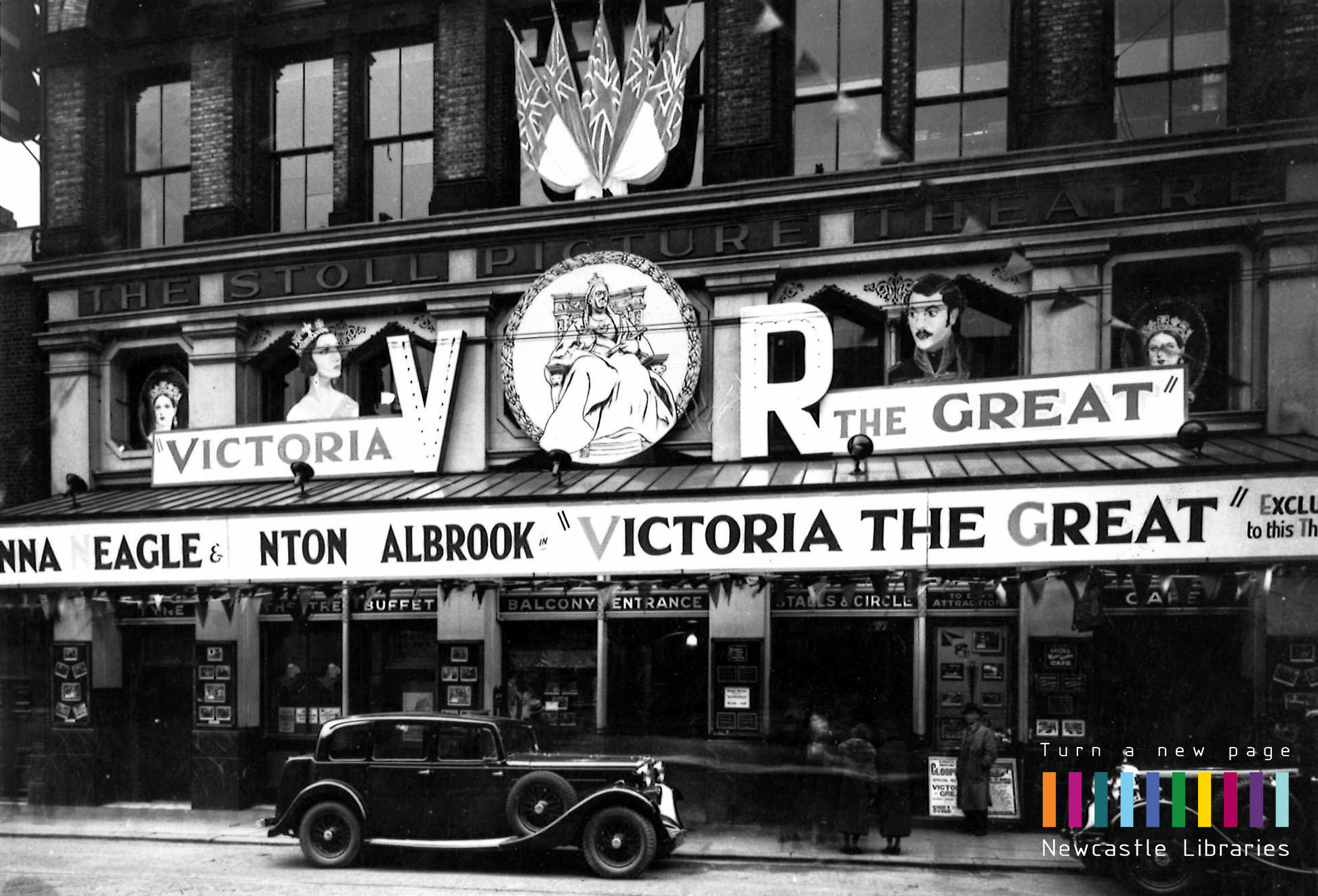
Considering this context, the cinema manager of that time had to pay attention to public interest in order to choose films that would attract audiences. Throughout the history of the Stoll, it is possible to see several notes in Newcastle newspapers commenting on how a particular film was chosen by the cinema managers after some public demand. In 1919, two British adaptations of Ethel M. Dell novels were described as successes: The Way of an Eagle, shown in December, and The Keeper of the Door, shown in October.
The 1920s were the decade of silent cinema, with films accompanied by live musical scores and no spoken dialogue. At the Stoll, American fiction films were predominant. After analysing 1334 films shown at the venue between 1918 and 1928, we identified films produced in the following countries:
The main stars
Comic stars like Chaplin, Buster Keaton, Marion Davies and especially Harold Lloyd were recurring figures. In fact, Lloyd’s name was mentioned in Stoll adverts in Newcastle newspapers even for films without him. In the dramatic genre, the Japanese-American actor Sessue Hayakawa had many films at the Stoll. The actor even worked on a Stoll Pictures film – The Great Prince Shan – which was shown at the cinema in 1924. Dog movies were also very common, with canine stars like Strongheart, Pal, Thunder, Silverstreak, Ranger and the famous German Shepherd Rin Tin Tin.
Peculiarities of the film programming
Despite these recurrences, some years had a program with more specific characteristics. Between 1926 and 1928, for example, there was a growing presence of German films. And between 1921 and 1923, Stoll exhibited several serial films such as The Leather Pushers (about boxing), Twenty Years After (sequel to The Three Musketeers), The Mystery of Dr. Fu Manchu, and The Adventures of Sherlock Holmes. These last two series were produced by Stoll Pictures, which at that time was specializing in serial films with crime themes. Stoll’s Sherlock Holmes was the first audiovisual adaptation of Arthur Conan Doyle’s character, being sanctioned by the author.
The Stoll also screened some films by female directors such as Alice Guy and Lois Weber, important names at the time who ended up forgotten in film history, but who are being rediscovered in recent years. At the Stoll, the Weber films shown were When a Girl Loves, co-directed with Phillips Smalley, and What Do Men Want?. The director’s films critically questions marriage and demonstrates the unhappiness of women in married life.
The Social Lectures
In addition to films, the Stoll also began receiving Sunday Lectures on politics, art, history, geography, health, and society. Since 1884 the Tyne Theatre had already been hosting these activities, organized by the Tyneside Sunday Lecture Society. However, in the 1920s there was a greater effort to do lectures that used motion pictures and illustrations. The movie screen was generally present in lectures by adventurers who showed images of nature, animal life and their travels.
The activity was a success. A Tyneside Sunday Lecture Society annual report from 1927 shows a total attendance of 31053, averaging 1552 per lecture, with at least 12 lectures reaching Stoll’s maximum capacity. One of the most popular lectures was given by Sir John F. Fraser on what other countries think about the English people.
If you went to the Stoll in Newcastle in the 1920s you would see paper tearers, tambourine spinners, clever little dogs, amazing pigeons, impersonators and several singers. These were just some of the attractions that appeared between films at the venue. Until 1925, the vocalists were the focus. From 1926 to 1929, the Stoll received different varied acts.
Varieties in crisis
This interaction occurred during the beginning of a crisis in the popularity of variety music hall entertainment. On January 7, 1926, The Evening Chronicle published an article in which the president of the Variety Artists Federation stated that this crisis was happening because many variety theatres were focusing on musicals. The hope was in the inclusion of vaudeville acts in film programs, something that 500 cinemas were doing in 1926.
The Stoll was one of those cinemas. The reception was positive. In 1928, Miss Nellie Wrigley was described as a very presentable pantomime favourite of Newcastle audiences. In May of 1928, De Bry and Gare’s vaudeville mix met with hearty approval from all parts of the house. At the Christmas of 1926, the Stoll even had a special program with 3 variety acts in a suitable scenic mounting.
Similar to the variety performer tours that circulated the country under contracts with theatre circuits, the Newcastle Stoll at that time received several variety artists who were performing in Oswald Stoll’s London Coliseum or other theatres in England.
Singers, musicians, and comedians were the most regular type of performers. But the theatre received surprisingly diverse acts. The popular Australian escape artist Murray did a presentation at the Stoll in 1927. He accepted a challenge to escape from a standard export packing case tightly threaded with 2-inch screws and bound with wire, a structure built by a Newcastle toilet manufacturer. Murray managed to get out in 15 minutes holding two bottles of hair cream and being applauded by the Stoll manager.
Some of these performers presented several times at the Stoll. Hamilton Conrad and his pigeons, for example, were at the Stoll in 1926, 1927, and 1929. In that act, “the pigeons glide about the theatre, come when they are ordered, and circle down with feats of nose-diving that are absolutely amazing” (The Sunday Sun, April 14, 1929)
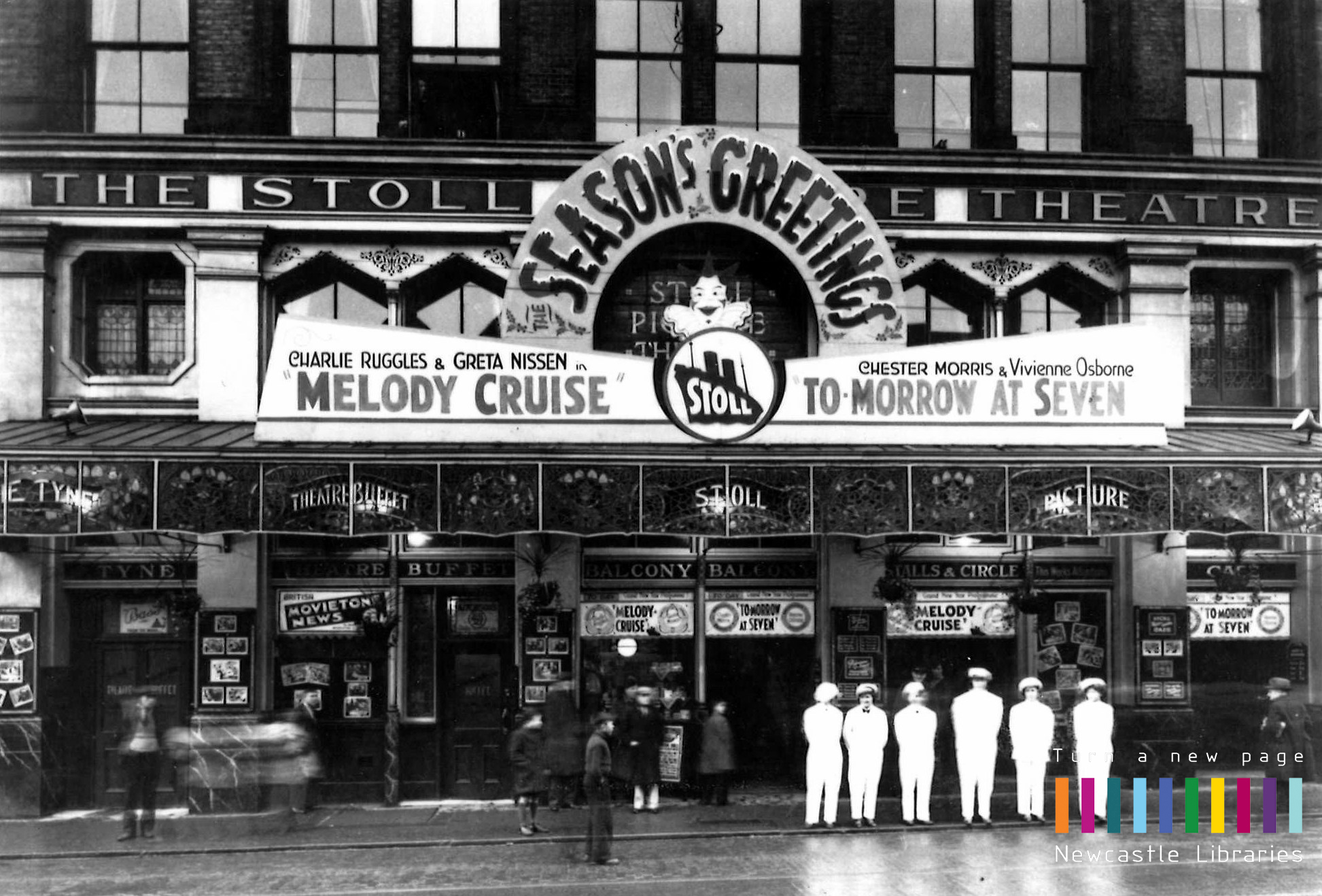
But variety acts were no longer part of the programs in May 1929, when the Stoll began showing films with synchronized dialogue and music, the talkies. However, the Stoll would still occasionally feature variety acts as an attraction in its program later.
In 1934 the cinema added a small stage show in which a goddess on screen read letters held by the audience and made predictions about the future. The film critic Frank Evans described this act as a program innovation although he was disappointed with his interaction: “It is an old turn given an entirely new twist. […] She named my cards correctly, but I hoped to hear some thrilling romantic secrets about myself, but, alas, these remained secrets” (The Evening Chronicle, June 19, 1934)
In 1929, the Stoll made history in Newcastle by screening the city’s first talkie: the American film The Singing Fool. The premiere was a success: “Al Jolson started on his conquest of Newcastle yesterday. Hundreds of men and women literally wept at his feet […] Jolson’s cry in his voice brings the world to his feet” (The Sunday Sun, May 12, 1929). Breaking all records, the film was shown for 10 weeks, from May 11th to July 20th.
The film’s star was Al Jolson, who played before the protagonist The Jazz Singer, the first successful talkie in the US that premiered in London in September 1928. But the Jolson film that really spurred investment in synchronized sound technology in the UK was The Singing Fool, which premiered in the US in 1928 and in England in November 1929.
At the Newcastle premiere of The Singing Fool, Stoll’s acoustics was highlighted: “It must also be remembered that the Stoll, being originally the old Tyne Theatre, built originally the old Tyne Theatre, built for the speaking drama with a close eye on acoustics, is a natural sound-box” (The Sunday Sun, June 20, 1929)
The enthusiasm for the talkies was instant. Stoll’s manager Mr. A. C. Harris stated that no other silent film could have stayed in theatres for 10 weeks, with people traveling 70 miles to see the movie.
Sound systems at the Stoll
This sound revolution is something that film engineers have been pursuing since the 1890s throughout the world. The Stoll in Newcastle, for example, installed in 1922 a system called Vitasona, invented by the Lancashire engineer Mr. Albert H. Moorhouse. The system had about sixty separate characteristic sounds like a steamer whistle, a starting train, a shot, and galloping horses that the operator pressed while watching the pictures.
However, in the screening of The Singing Fool, Stoll used the two American systems that became financially viable in the US and the UK: Warner Bros.’ Vitaphone, which played a sound recording synchronized with the film, and Fox’s Movietone, which imprinted sound onto the film itself. Warner’s system synchronized the film with a phonograph disc played on a 33 ⅓ rpm turntable. Fox’s system drew the sound onto the film itself in a frame that was next to the frame with the images. This drawing was converted into sound when read by a projector lamp.
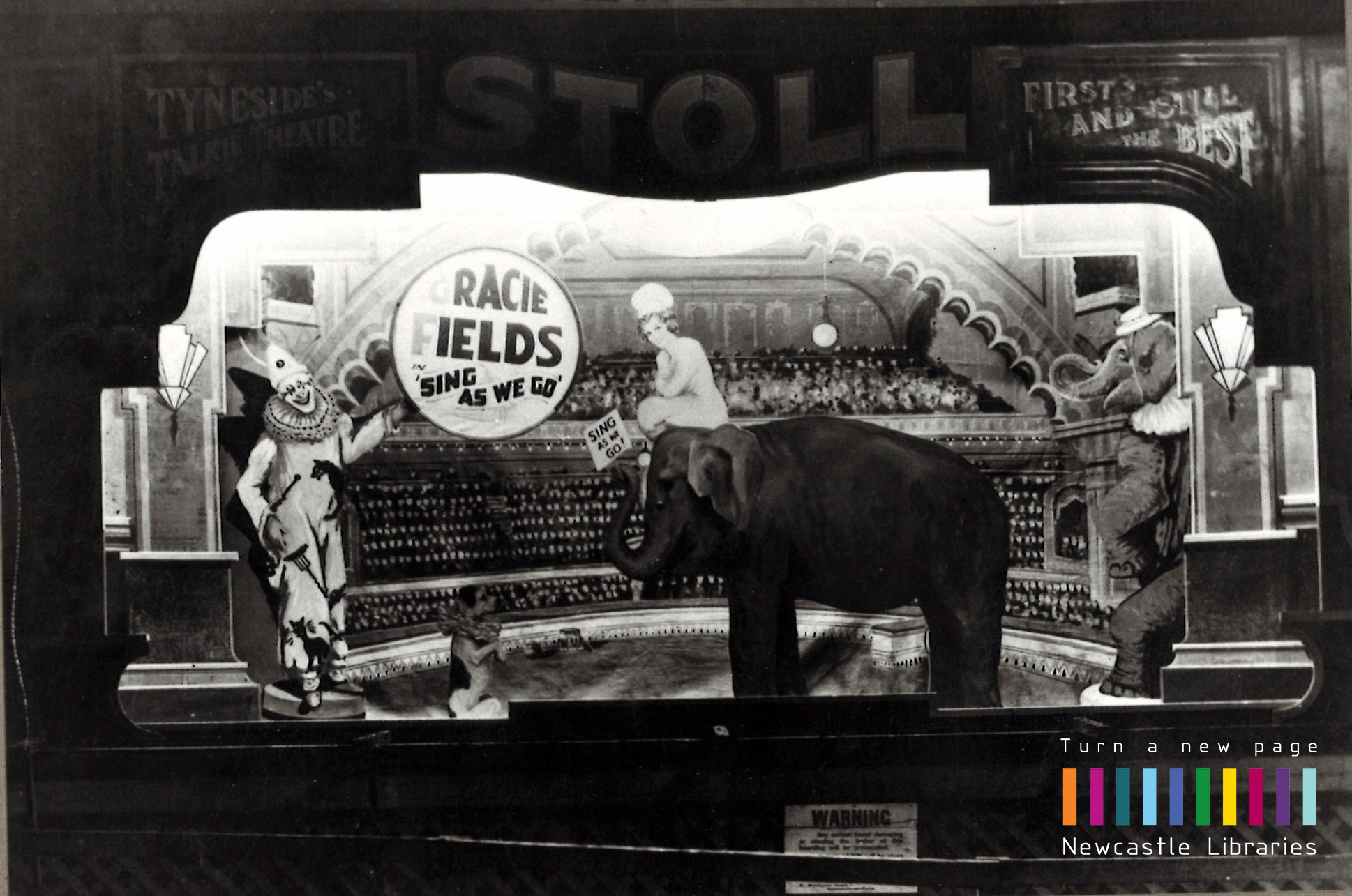
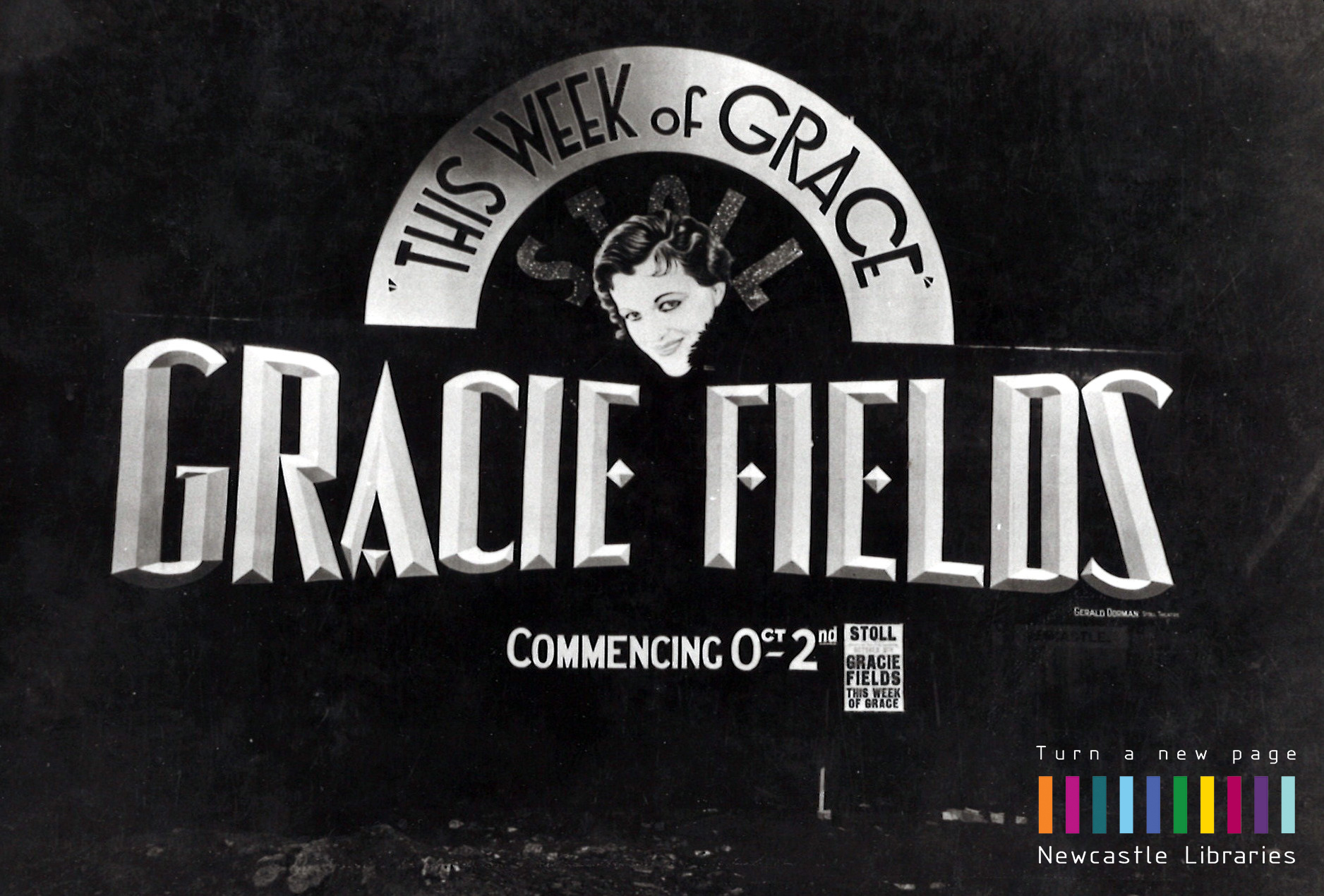
England’s favourite comedienne; the screen ‘s highest pair artiste; the Queen of the entertainment world. This is how Lancashire star Gracie Fields was described in Newcastle newspapers in the 1930s. The actress was one of the leading names of the Stoll in the decade, as some of her films premiered in Newcastle only at the Stoll.
With characters strongly linked to working-class people, Gracie Fields’ films were a success. A journalist who saw Sing as We Go states: “When I called in the Stoll, Newcastle, the other night the house was full and queries were outside. Gracie Fields has attracted people. I was told that the story had been a daily one, and that Gracie Fields was proving a bigger draw than ever” (The Sunday Sun, November 25, 1934).
The impact of high competition among cinemas
However, Stoll gradually lost priority for the first runs of films throughout the 1930s. In the book Cinemas of Newcastle, Frank Manders explains: “Lacking the booking power of the large national circuits, which now owned the neighbouring New Westgate Pavilion, the Stoll was reduced by the end of the decade to uninspired double-bills and reissues”.
But some of these reissues had a good public. In 1938, for example, the Stoll reissue, after requests, the war film All Quiet on the Western Front. In the packed sessions some men had fainted. For the Stoll’s manager, these men were ex-servicemen and the battle scenes had kindled too poignant memories.
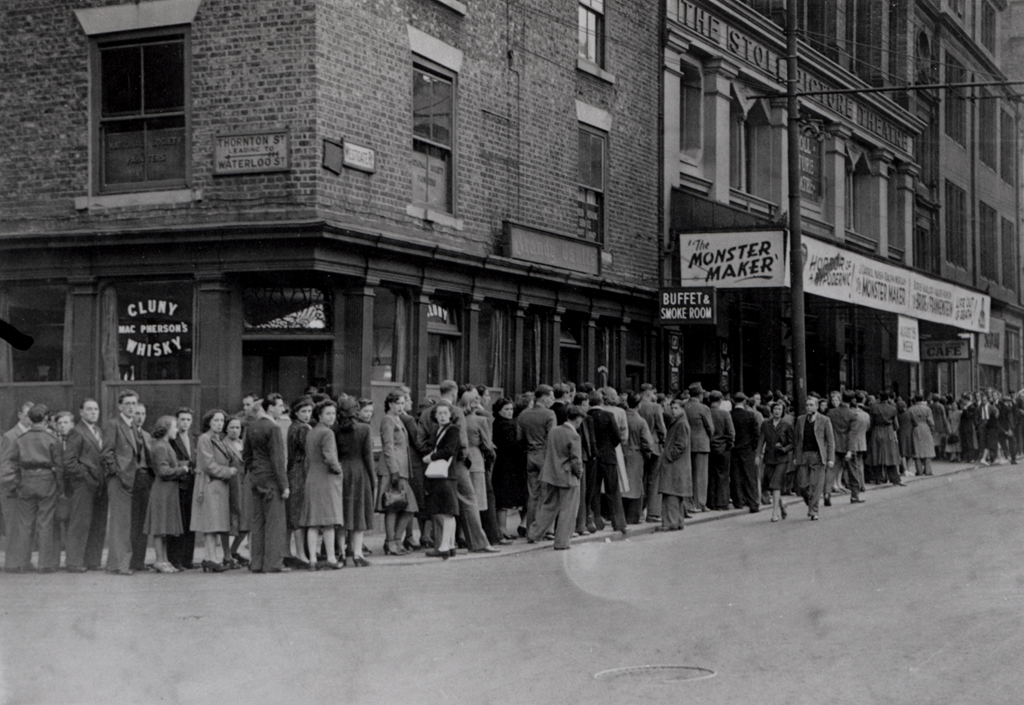
Another film that drew crowded sessions and queues was Damaged Lives, which premiered at the Stoll on January 21, 1934. The film depicts a young couple dealing with a venereal disease and was distributed in England by the British Social Hygiene Council.
New technologies and a new manager
In the 1930s, the Stoll underwent some technological upgrades. In 1931, the cinema installed the Wonder Screen, a device by which moving pictures could be expanded to over twice their natural size and then contracted again. In 1937, the cinema received a new microphonic sound apparatus to better distribute the sound throughout the auditorium, avoiding dead spots.
The manager of the Stoll was Mr. A. C. Harris, who “has had a life as full of adventures as many of the films he exhibits” (The Sunday Sun, March 11, 1934). A prisoner of war during the First World War, from 1919 he was secretary of a film organization and a celluloid merchant before working at the Stoll.
A program featuring more international films
The manager Harris advocated for more international films: “It is our policy to show the best possible films – whether British, American or Continental. Film art is international; and I think Tyneside people should have the opportunity to see the leading productions from other countries” (Sunday Sun, October 6, 1935)
One of the international films shown was the important historical French film La Kermesse Heroique, in July 1938. At that time, the film critic Frank Evans stated that this screening was the first time in Newcastle that a film shown at a Film Society was offered to the general public.
In September 1939, all 47 cinemas in Newcastle closed due to a government order. It was the beginning of World War II. The Stoll reopened in October, when most cinemas were already returning.
Like several venues in the city, the Stoll experienced difficulties during the war. Soon after reopening, the Stoll and other cinemas in the city centre were closing between 9:30 pm and 9:45 pm due to insufficient street lighting. The city council reduced public transport and required early opening and closing. The Stoll’s manager, Mr. A. C. Harris, even asked for at least an extra half hour, as the restriction was affecting business: “Patrons have been watching the clock all the time, and in many cases have had to leave before the main film was finished” (Newcastle Journal and North Mail, November 15, 1939).
Soon after the Stoll also got a new manager: Mr. Alfred Blake. He appeared in newspapers in 1942 after helping to rescue workers from a burning building opposite the Stoll. When Blake saw the fire on Westgate Road, he and the Stoll’s staff placed the cinema ladder against the wall of the film distribution building. The new manager climbed up to help the workers safely to the ground.
A war program, several reissues, and few premieres
During this period, many activities at the cinema were related to the war. In March 1940, the Stoll re-released the film Pennies from Heaven as part of a National scheme to enroll workers to contribute a penny a week. The goal was to use the donations to help Red Cross projects such as the completion of a hospital train between the ports and the general hospitals. Pennies from heaven starred the popular actor Bing Crosby, but the star of those screenings at the Stoll was nurse Catherine Jobling. She spent several afternoons collecting donations at the cinema and managed to fill four boxes with about 20s, mostly in pennies: “She was given such an ovation that she hurried off the stage blushing” (Sunday Sun, March 24, 1940)
At the time, the Sunday lectures were organised in partnership with the Ministry of Information and covered topics such as Battle of the Atlantic, America and the War, The Near East War Front, and From Defensive to Offensive. Presented in 1941 and 1942, these were the last lectures held at the Stoll.
During the war, the cinema continued to re-issue films that had already appeared in the city. The classic Gone with the Wind had a seven-week run in 1942 and another four-week run in 1943. An exception was the unexpected premiere of For Whom the Bell Tolls at the Stoll, which had an incredible 8 week run from March to June 1944. Newcastle newspapers reported crowded screenings to see the colorized version of Hemingway’s novel.
In the post-war period, the Stoll became the city’s continental cinema. Films that are now considered classics premiered in Newcastle at the Stoll. Two examples: Vittorio De Sica’s Bicycle Thieves was screened in September 1950, and Alain Resnais’ Hiroshima Mon Amour in May 1960.
Specializing in Italian and French films in the 1950s, but receiving several other international films until the 1970s, the Stoll screened films by directors such as Akira Kurosawa, Fellini, Rossellini, Buñuel, Fritz Lang, Truffaut, Agnès Varda, Antonioni, Andrzej Wajda, and Jacqueline Audry, the only French female director to maintain a continuous career in the 1950s.
A cinema focused on films outside the mainstream circuit had been a need in Newcastle for years: “I have long suggested that there is scope in the city for a regular showing of foreign pictures. And have been borne out by the success at the Stoll and the Grainger cinemas of the intermittent presentations they have made of such films” (Don Nichols, Evening Chronicle, November, 19, 1949).
This demand was evident due to the growing membership of the Tyneside Film Society, which held Sunday screenings of foreign films in the city. The Stoll had been showing films recommended by the Society since the 1930s.
Mixed Reactions to International Films
In the 1960s the context changed, but the Stoll continued its personality. In 1965, the critic Lynn Fenton praised the cinema for premiering a Jean-Luc Godard film and commented on how the reception of foreign films had changed: “Today is the last day of Godard’s Une femme mariée and the Stoll has done well in capturing this film, so recently shown in London. I hope the management will attempt to show other good foreign films, which might otherwise be lost to North-East audiences […] A cinema audience no longer groans when a foreign film with sub-titles flashes on to the screen. More and more are going to see films which only a few years ago would have been termed specialised minority films.” (The Journal, Saturday, July 1965).
However, one of these films had a controversial reaction. On January 11, 1962, two members of the Newcastle Young Liberals Association protested in front of the Stoll against the screening of Visconti’s film Rocco and His Brothers. They carried placards saying Ban this film and This film is immoral, and argued that showing immoral films could not be termed art. Stoll’s assistant manager replied that the film was chosen in London, was not immoral — there were far worse ones — and seemed to be what the public wanted to see. He also stated that screenings of Rocco were having a great attendance.
The manager Alfred Blake, who worked at the Stoll until 1954, was important in establishing the cinema’s continental reputation: “As a cinema manager Mr Blake had an astute knowledge of what the public wants, but he also earned gratitude of many film-goers in the North-East for his courage and foresight in bringing foreign films to Newcastle (The Sunday Sun, December 12, 1954). When Alfred died in 1954, his assistant and son, Reg Blake, became Stoll’s manager and worked there until 1966.
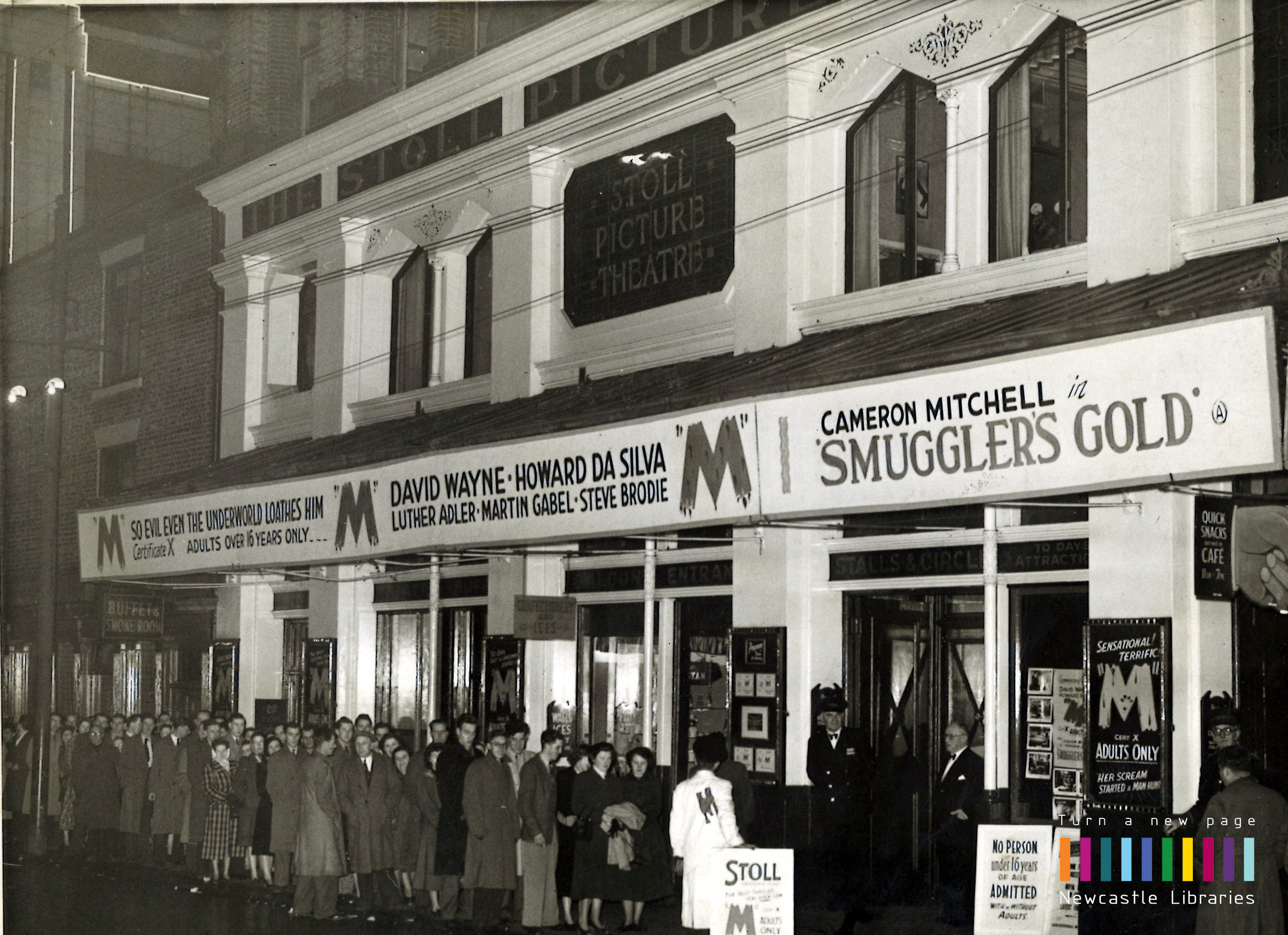
While showing continental films, the Stoll also screened criminal, horror, and science fiction films. Many of these works had the X certificate, which was introduced by the British Board of Film Censors (BBFC) in 1951 and only allowed these films for viewers aged 16 and over.
By showing films that sometimes contained more sex or violence than was common in British films, the Stoll focused on X-rated features. The certificate became a way of characterizing the venue – sometimes referred to as X-specialist cinema – and certain films. The Film noir M, for instance, “is not a pretty picture by any means and naturally is given an X certificate” (The Sunday Sun, 1951, October).
A common practice was to show films that were banned or not recommended in some other country or British city, but which were authorized to be shown in Newcastle by a local regulamentation. The French film Manon has not been granted a Board of Censors certificate but was approved for public showing by the Newcastle Watch Committee. At the Stoll, the film had a long run in 1951 and 1955.
Horror and science fiction films
In Stoll’s newspaper adverts of the time, the certificate X is placed almost as a catchy element to further pique public interest, and sometimes used to describe special programs. In 1952, just one year after the first X certificate, the Stoll offered the first double bill X program of Newcastle. In one session, the Stoll screened two X films: The Mad Monster and Buried Alive. The practice continued. In October 1957, the Stoll screened a double bill with the films Attack of Crab Monster and Not of This Earth, and another one with I was a teenage werewolf and Dragstrip Girl. Two films were not enough. In January 1958, the cinema even put on a three horror films bill: The Return of the Vampire, with Bela Lugosi, The Black Room, with Boris Karloff, and Birth Without Fear.
In 1963, the Stoll ran a week of horror, showing two different horror films each day between May 6th and 12th. Three films from the above 1950s double horror bills were shown that week, demonstrating how part of the film programming at the Stoll was cyclical and returned over time. Some of the films shown that week were: Frankenstein 1970, House on Haunted Hill, Indestructible Man, and Macabra.
Although these horror/sci-fi films were not deeply analyzed as other dramatic films, some were praised by Newcastle critics. The giant ants film Them, for example, is described as the best science fiction of 1954 and a first-class thriller. Invasion of the Body Snatchers, directed by Don Siegel, was considered “a film only for those who can take their cinema in strong doses” (Sunday Sun, November, 1956) and “a very gripping science fiction film in which the tension grows to a frightening peak” (Evening chronicle October 13, 1961).
Erotic films
In the postwar period, the Stoll also gradually increased its screenings of films with an erotic approach.
The practice of showing X films or films prohibited somewhere but approved in Newcastle continued throughout the years. However, the understanding of what was an X-rated film also began to change as censorship gradually became less severe from the late 1950s onwards. Thus, “X genres” begin to emerge, such as films about nudist communities, comedies with more erotic content, and sex education films.
Part of Stoll’s programming from the 1950s to the 1970s, these educational films changed over time as they became increasingly explicit. In 1950, the critic Simon Stanford commented that the sex education film Street Corner, shown at the Stoll in May that year, was the best of its kind, as it addressed— in a restrained manner — the conflicts of a pregnant young woman afraid to speak to her parents. He explained that the film served as a warning about the neglect of sex education.
However, in the 1970s, Stoll’s most popular film was the Swedish Language of Love, literally advertised as the most explicit sex education film. In the production, a group of researchers discuss sexual issues. The different topics analysed are illustrated with fictional scenes, documentary footage, or demonstrations of sexual acts or techniques. The film was shown at the Stoll in 1971, 1972, and 1973.
Controversies
By showing these increasingly explicit films, Stoll became associated with this type of film. This sparked criticism. One reader of The Journal stated that the adverts in some cinemas were offensive: “We have to take children past the Stoll cinema where the implications of the film titles are not least on our boys” (The Journal, January 14, 1972).
Stoll’s last manager, George Welch, who worked at the cinema from 1966 to 1974, defended the space: “I don’t like the dirt raincoat allusion at all […] The people who come here are just ordinary folk seeking entertainment. There’s nothing furtive about the way they come in, and in all the years I’ve been here we’ve never had any bother” (Evening Chronicle, February 6, 1974).
But the Stoll closed in March 1974. A statement from the Stoll Theaters corporation explained that the cinema was to be closed as attendance there had fallen since 1973 and they had been losing on the venture for some time.
Manager George Welch said the cinema was doing exceptionally well a few years ago with its programs of sex and horror films, but that was at a time when the circuits were doing well. For him, the cause of Stoll’s closing was the flood of X and AA certified films on the market because people have not become less interested in these films but there were more cinemas showing them (Evening Chronicle, January, 1974).
A general crisis
The Stoll was not alone in its closure. The post-war period saw a gradual decline in cinema attendance with the increasing popularization of commercial television, including Tyne Tees TV, which opened in January 1959. In the 1960s, the number of cinemas in the UK fell from 3034 to 1529. In Newcastle, 29 cinemas closed between 1949 and 1963. In 1974, after the Stoll closed in March, newspapers announced the risk of closure of the Queen’s cinema on Northumberland Street. The fate of some of these buildings was demolition or conversion to bingo halls or entertainment centres.
The beginning of the new Tyne Theatre
In Stoll, its building always echoed the Tyne Theatre. In 1956, the journalist Terry Cringle wrote an article about the city’s theatres and walked through Stoll, finding old traces of the Tyne: “All the massive wooden equipment for lifting whole choruses up to the stage, the traps for shooting up stage devils, the grave for Hamlet lie intact but forgotten” (Evening Chronicle, August 19, 1956).
Preserving this past became the focus of the Save Our Stoll campaign, which began months after the Stolls’s closure. In 1974, the building was converted back into a theatre by a group of volunteers, and the Tyne Theatre Trust was formed. The space was now The New Tyne Theatre. Another story began.
Links will redirect you to Vimeo.